



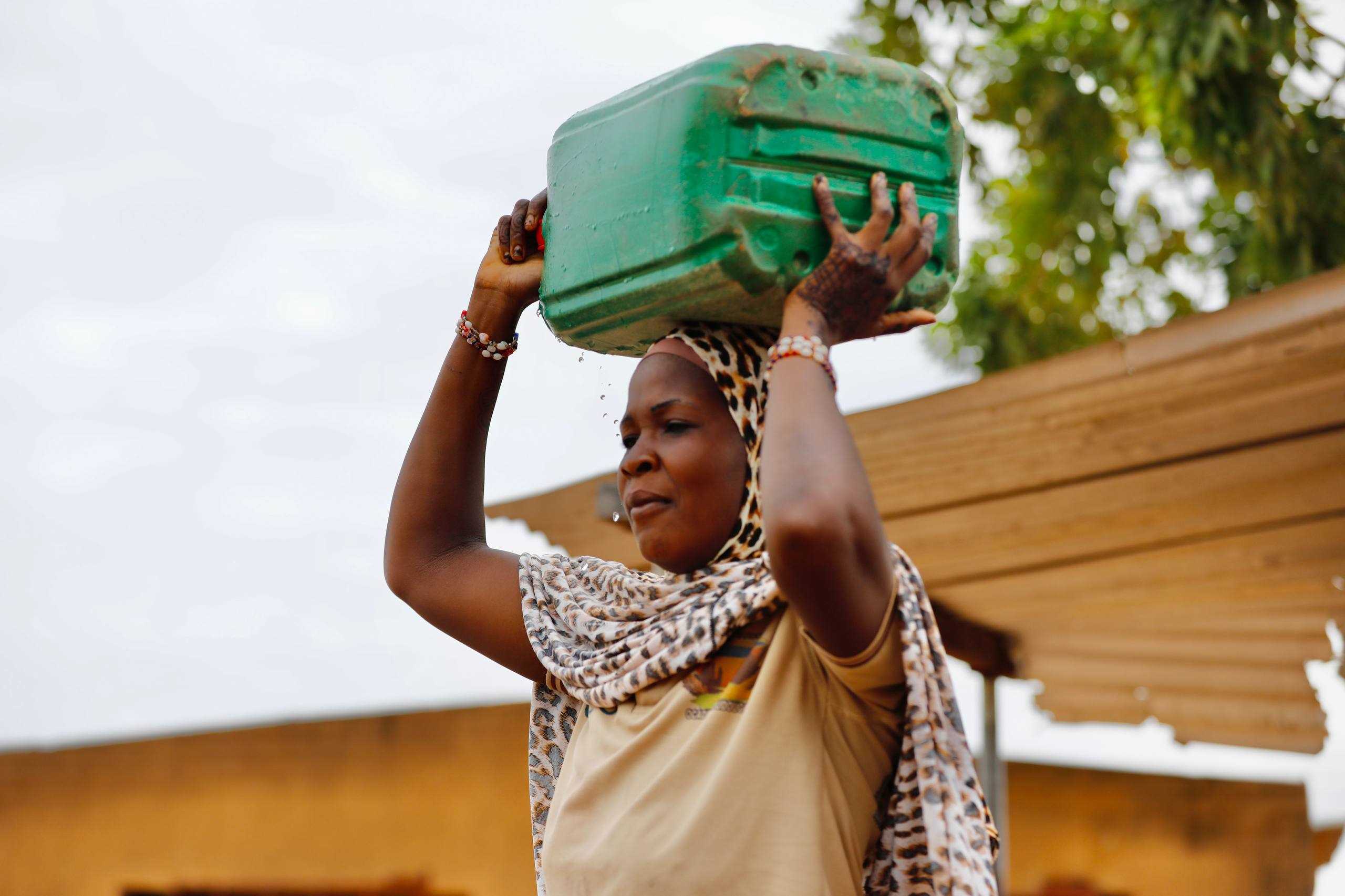
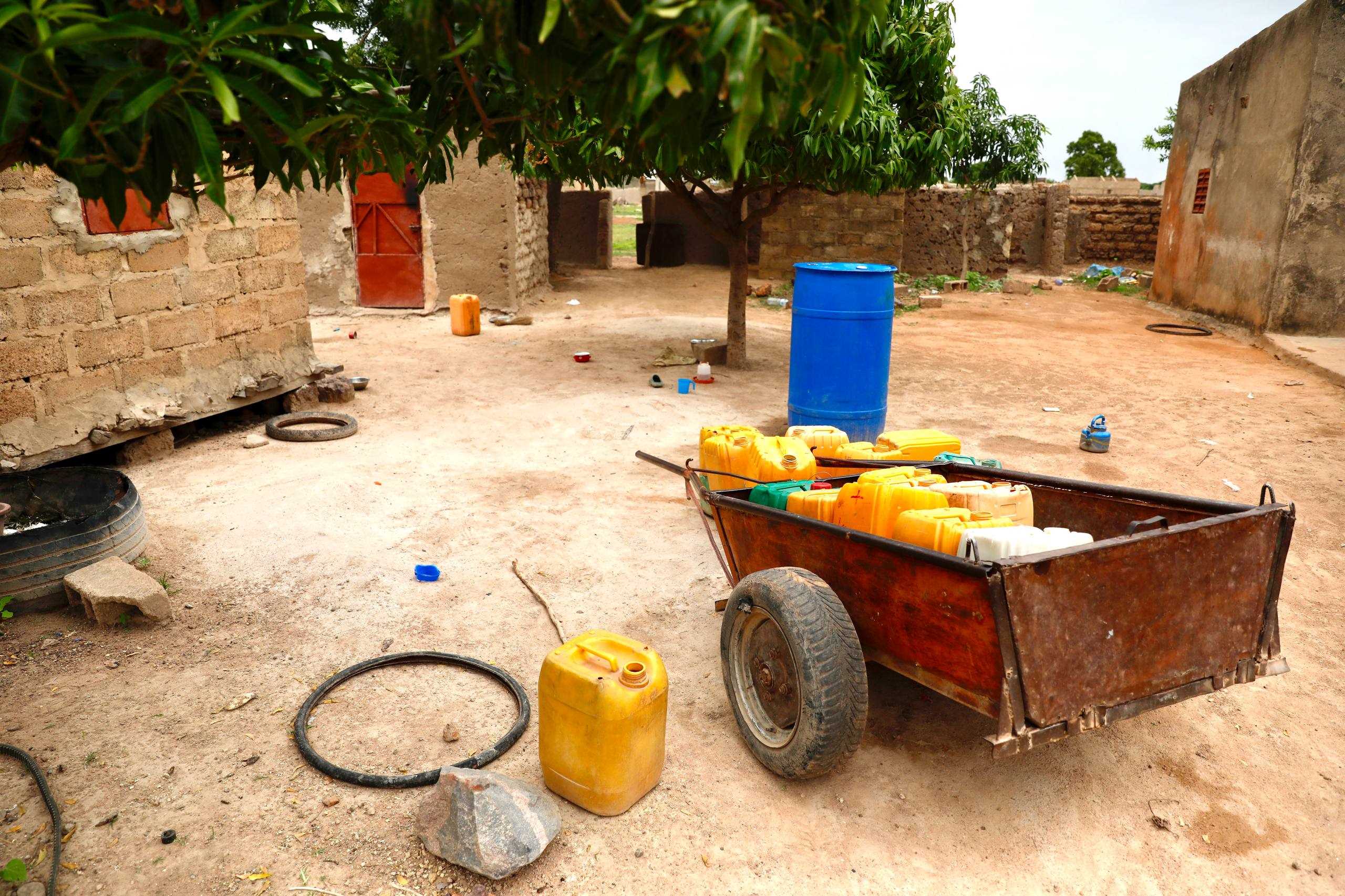
This is Habibe's house. Nearly twenty people live under one roof here, her husband's brothers and their families all together. Money is tight. They grow corn, peanuts, and beans as one household, and Habibe cooks fish and sells it at the market to help make ends meet. Before the well, life looked very different.
"We used to go to the well in the village across from us. Just getting water and coming back took hours. If there was a line, it took longer. I worried most about my children. The road was dangerous, and there were accidents. When the well opened, everything changed. Now, even at night, we can go get water whenever we need to."
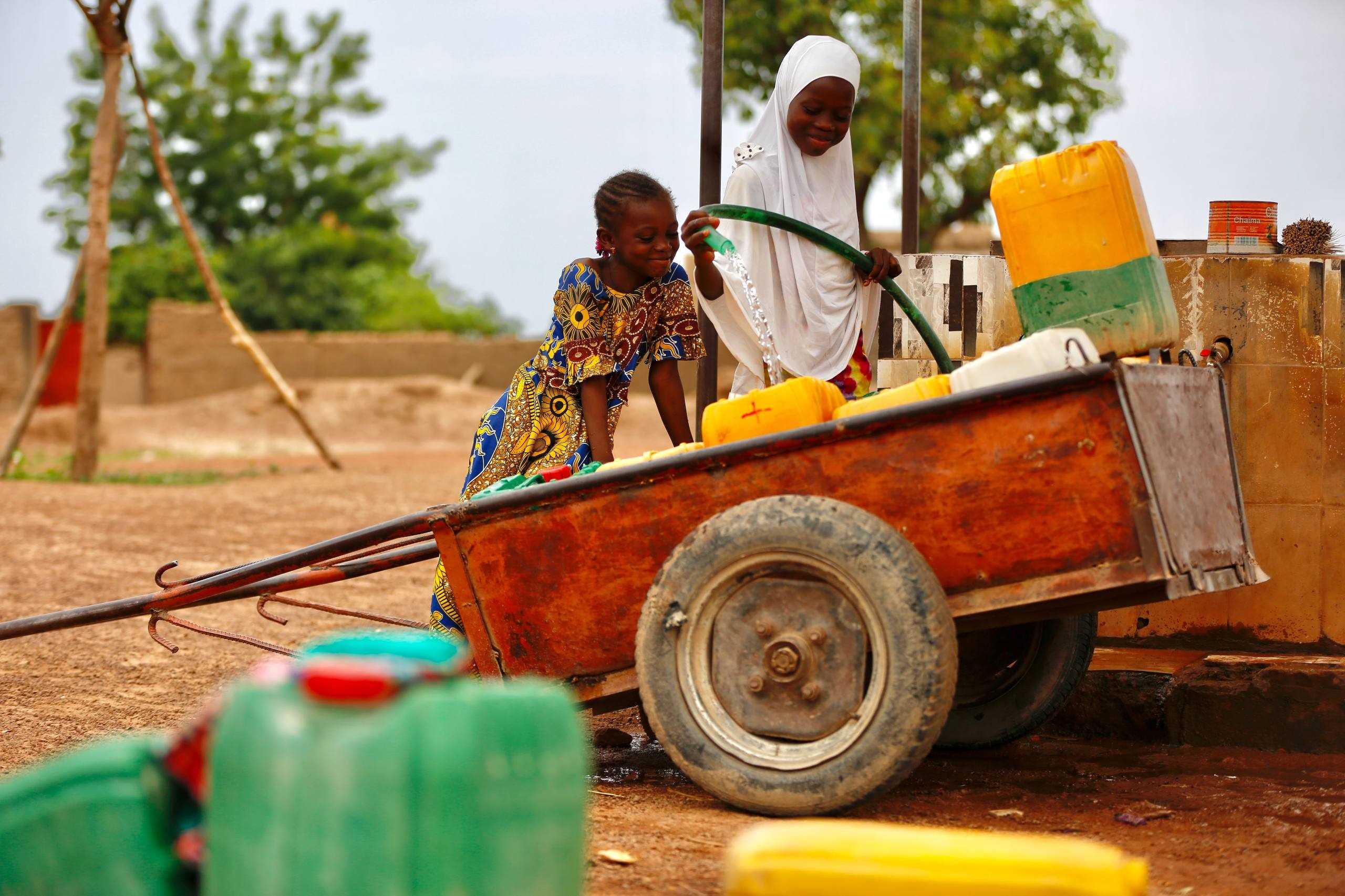
That relief shows most clearly on the children's faces. Habibe's daughter Havva is in second grade. She wakes up, helps around the house, fetches water from the well right outside their door, and heads to school by seven, happy to go. She loves running and playing with her friends, and she has one big dream.
"I love school. I want to be a teacher."
Dreams like hers used to get lost on the road to other villages. With no school in the village, children had to attend schools far from home, ones that didn't teach their own faith or culture, and the distance wore them down further. Habibe looks out her window at the school now and is grateful for what she sees.
"The children used to have no choice but to go to the nearest school, which was a Christian school. Now we have our own school right next to us."
Today, in this village, the sound of water from the well mixes with children's voices in the schoolyard and the call to prayer from the mosque.
Habibe's village, Togo