



Water Well
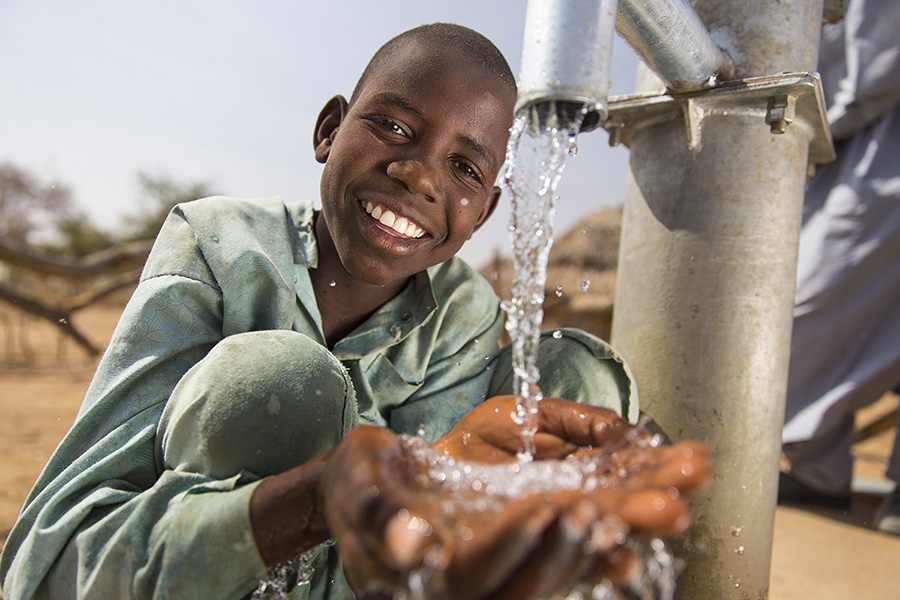
One in ten people on Earth, around 700 million, can't reach clean water. The water nearly 2 billion people drink doesn't meet basic hygiene standards. Cholera, diarrhea, and typhoid from dirty water kill close to 1,000 children every day. Each year, drought, disease, and the sheer struggle to reach water claim more than 2 million lives.
Drought, scarcity, rapid population growth, and pollution all threaten the world's clean water. As safe water grows scarce, outbreaks keep spreading. Without serious, workable steps to protect what's left, the dangers people face will only grow. Across much of the world, and Africa and Asia most of all, people walk kilometers just to meet a single day's need for water.
In 22 countries, you can open a standard well for 3.000 euros.
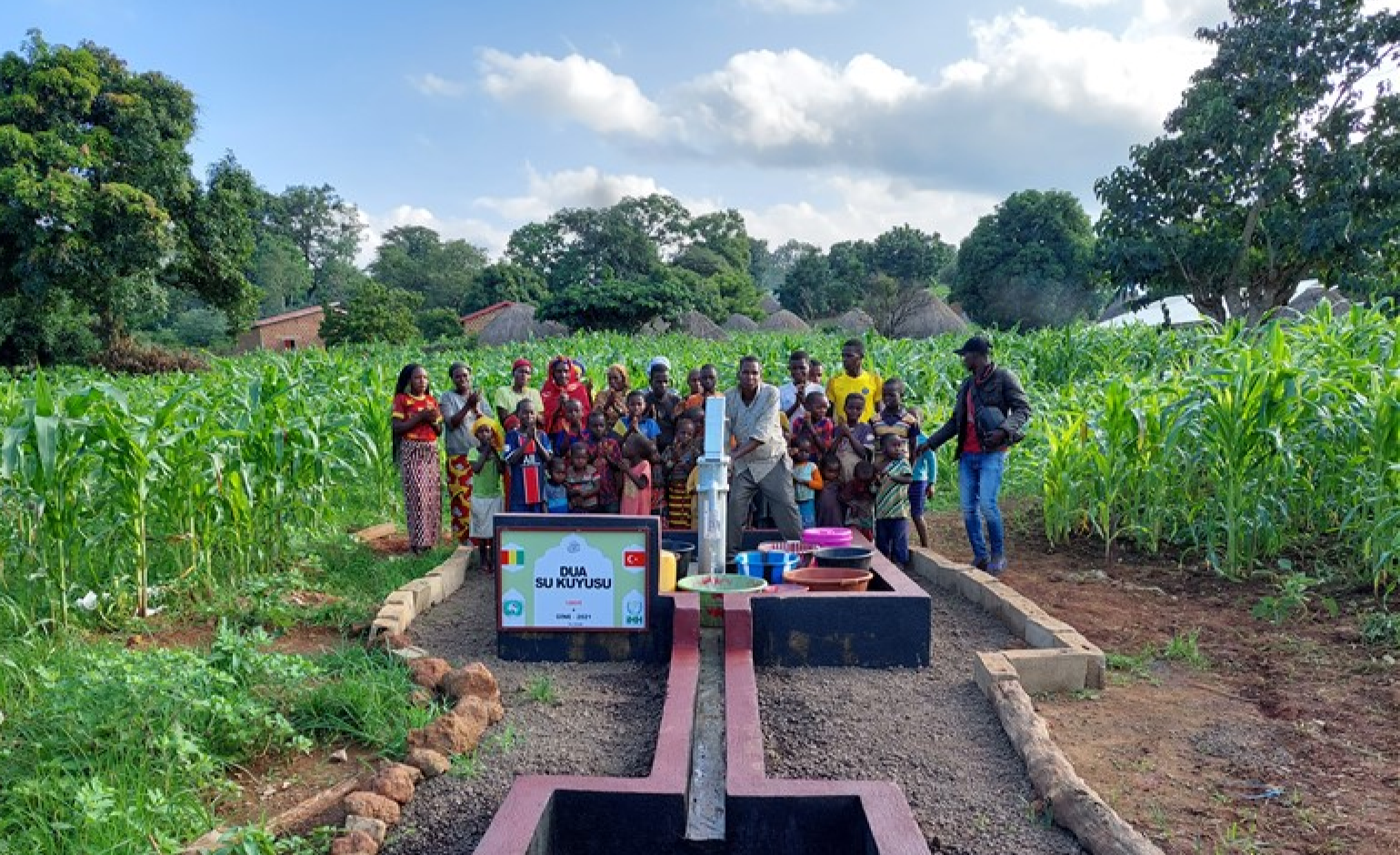
25 years, 58 countries, 17.120 water wells
Note: We choose where to open each well by weighing the needs across regions, so every well serves the people who need it most. To find out which countries we've reached, call us at +90 212 631 21 21.
Technical Features of Water Wells
Depth: 15 to 90 meters
People served: 300 to 500 a day
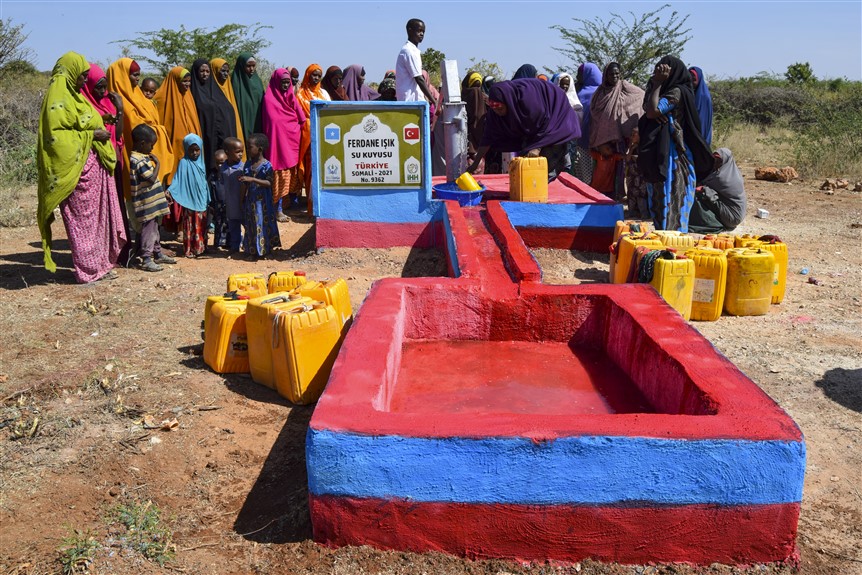
Surface build: Concrete casing, hand pump, and an animal trough. Most standard wells use a hand pump with a trough added. Wells follow a set surface design, though the design and pump type can change when local conditions call for it.
Countries: Chad, Ghana, Guinea, Mali, Afghanistan, Niger, Sudan, Somalia, Cameroon, Benin, Togo, Nigeria, Zimbabwe, Uganda, Kenya, Tanzania, Sierra Leone, Liberia, and Ethiopia.
Technical Features of Specialized Water Wells
Specialized wells are larger systems, built where a standard well isn't enough. A single one can serve close to 5,000 people. In the regions where they're built, they keep herds watered and, with their large storage tanks, bring irrigation to farmland that drought would otherwise leave dry. Cost depends on the project.
Depth: 90 to 200 meters
People served: 2,000 to 5,000 a day
Surface build: Storage tank, fixtures, a solar power system or generator, taps for daily use, and an animal trough
Countries: Chad, Somalia, Syria, Pakistan, Togo and Tanzania.
Project Timeline and IHH Standards
A standard well takes six to twelve months to build. (War, natural disaster, and other emergencies during the project can change the delivery time.)
Quotas and Organization
The countries and regions where wells are dug shift through the year with conditions and need. Most projects run in East and West Africa, with others across the Middle East, Central Asia, and South Asia wherever the need calls for it.
Each region's well count is set at the start of the year against the country's needs, and wells are dug within those quotas.
Most wells go to rural areas far from capitals and major cities, where the need runs deepest.
Monitoring, Inspection, and Repair
IHH's expert teams handle site selection, needs assessment, feasibility studies, and inspections.
When an inspection or a report from the field shows a well needs maintenance or repair, IHH carries out the work.

Water Analysis
Samples from each well are tested by local authorities or private laboratories. Once experts review the report, the well is cleared for use.

Service Life and Warranty
A well's lifespan depends on groundwater reserves, climate, how heavily it's used, and outside factors like war or natural disaster. For these reasons, a standard well lasts on average 3 to 10 years.
Every well carries a two-year warranty. During that time, İHH monitors and maintains it. At the end of the two years, the well is handed over to the people of the region.
What Can You Do?
Bring your family, friends, colleagues, or relatives together to open a well, or give whatever you can to the water well fund. Your support helps carry out the work that brings water to brothers and sisters in need: well repairs, generators, water channels, storage tanks, fixtures, and installation. Before you choose a region for your well, get in touch with the IHH Water Well team.
Help the people who can't reach clean water.
For more information, call +90 212 631 21 21.