

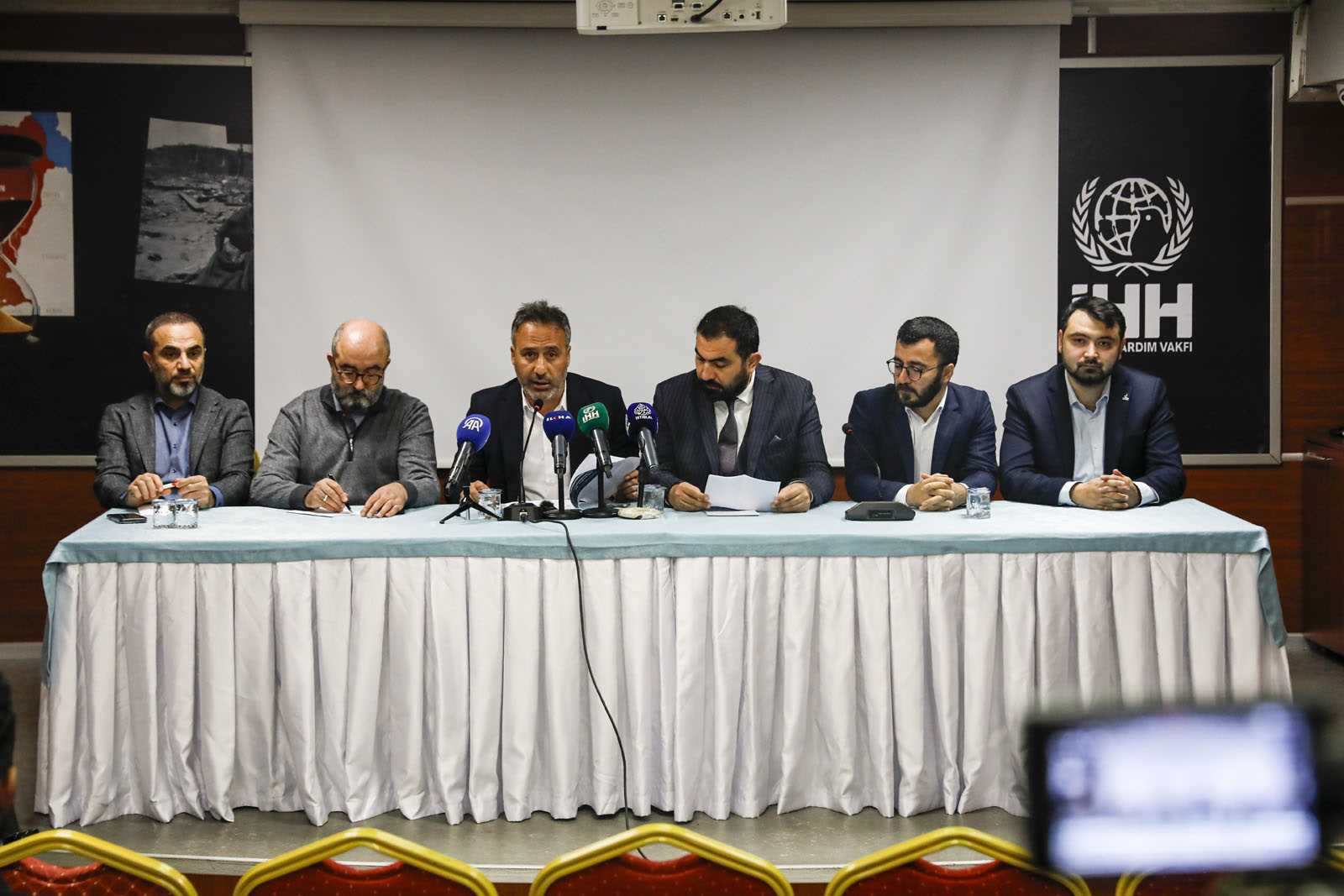
The press conference, held to mark 10 December World Human Rights Day, took place at IHH's headquarters in Fatih. The press statement was supported by IHH, the International Refugee Rights Association (UMHD), the Federation of Refugee Associations (MÜLDEF), Mazlumder, Özgür-Der and the East Turkistan Human Rights Watch Association (ETHR). Representatives of the civil society organisations delivered speeches at the meeting.
‘Massacres are taking place all over the world’
The press statement on behalf of the organisations was read by Abdullah Resul Demir, President of the International Refugee Rights Association (UMHD). The statement noted that assimilation, labour exploitation, forced displacement, mass massacres, systematic rights violations and genocidal policies are being carried out simultaneously in Palestine, Sudan, East Turkistan, Arakan, Yemen, Congo, Crimea and around the world.
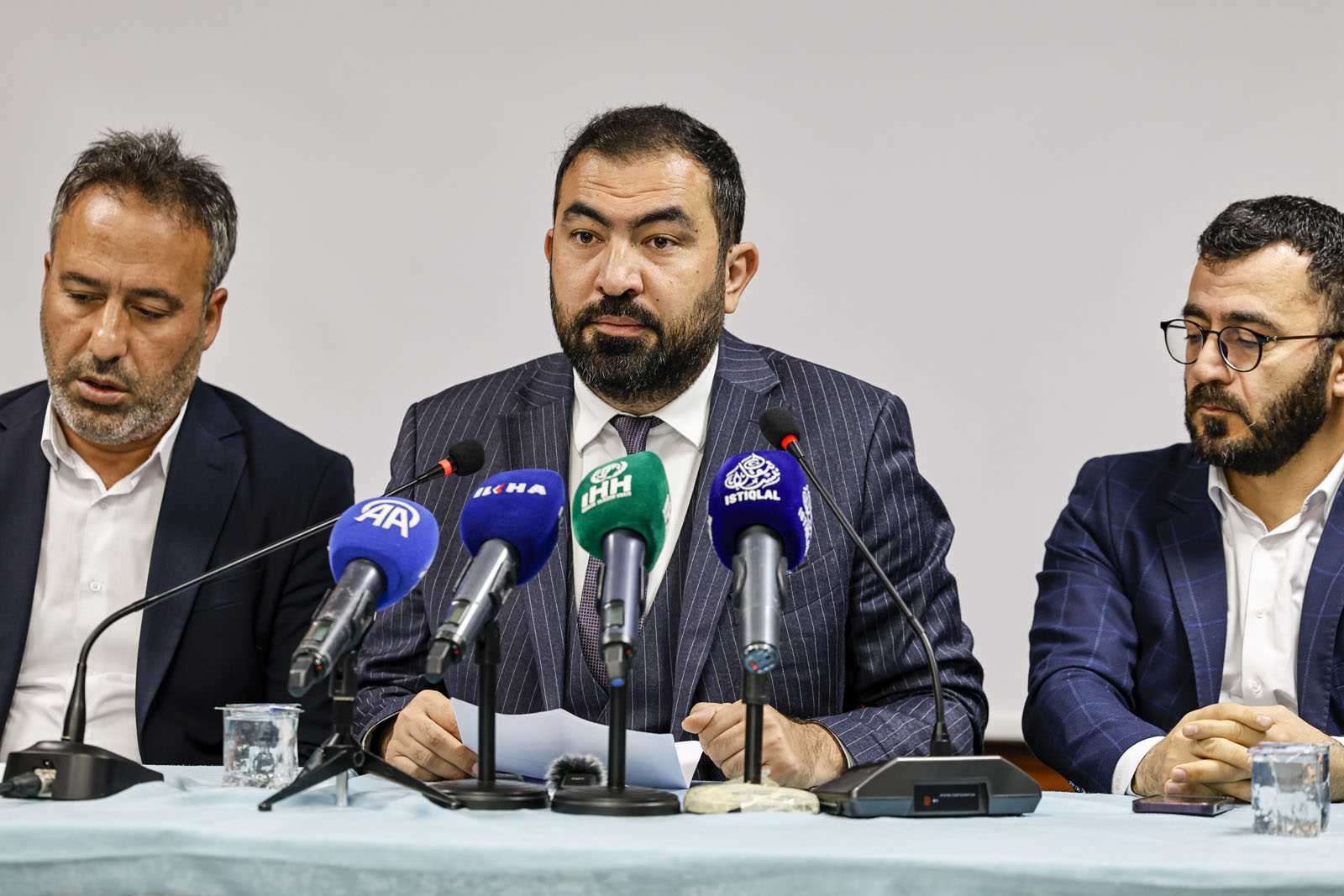
‘Rights are being systematically violated’
The statement said, "Palestinians in Gaza and the West Bank, who are subjected to genocide, siege and bombardment, condemned to hunger and thirst, and forced to migrate; The Sudanese people, victims of proxy armed groups of regional powers, torn apart by civil war, ethnic cleansing and mass migration; The Uyghurs, deprived of the most basic guarantees of daily life through forced labour, mass detentions and cultural assimilation policies; The millions forced to live in a spiral of natural resource exploitation, armed conflict and sexual violence in Congo, and the experiences of the Yemeni people, who have been in the grip of war, blockade and epidemic diseases for years, stand before us as the most concrete examples of how rights are systematically violated.
Responses to rights violations should not vary according to the identity of the perpetrator
The statement continued: "Today, the silence, delayed responses, or “measured” criticism directed at powerful actors by the West and the Islamic world in the face of the grave human rights violations, crimes against humanity, and war crimes occurring in the aforementioned regions demonstrate that the language of human rights has been transformed from a universal call for justice into an extension of geopolitical interests. The reactions to mass rights violations in regions such as Palestine, Sudan, East Turkestan, Arakan, Yemen, Congo and Crimea vary depending on the identity of the perpetrator and the alliances formed. This not only undermines the credibility of human rights norms, but also damages the victims' sense of justice, creating deep mistrust at the global level.
‘Independent investigation mechanisms must be implemented’
In the statement, which reminded the Islamic world and the international community of their human rights obligations, “Our expectation from Islamic countries is that, on the one hand, they adopt policies consistent with international human rights standards in areas such as freedom of expression, the right to a fair trial, and refugee and migrant rights within their own borders, and on the other hand, they adopt a clear, consistent and principled stance against unlawful practices in their foreign policies across a geography stretching from Palestine to Yemen, and from Sudan to Congo and East Turkestan. The international community, for its part, must demonstrate the will to implement concrete measures centred on the protection of civilians and human rights, such as sanctions, diplomatic pressure, restrictions on arms sales, and the operation of independent investigation mechanisms in response to war crimes and serious violations.
The statement concluded with the words, ‘We call on all political actors, institutions and international structures around the world to take concrete steps to strengthen justice, accountability and humanitarian protection mechanisms, without surrendering the claim of universality of the Universal Declaration of Human Rights to the narrow calculations of double standards.’
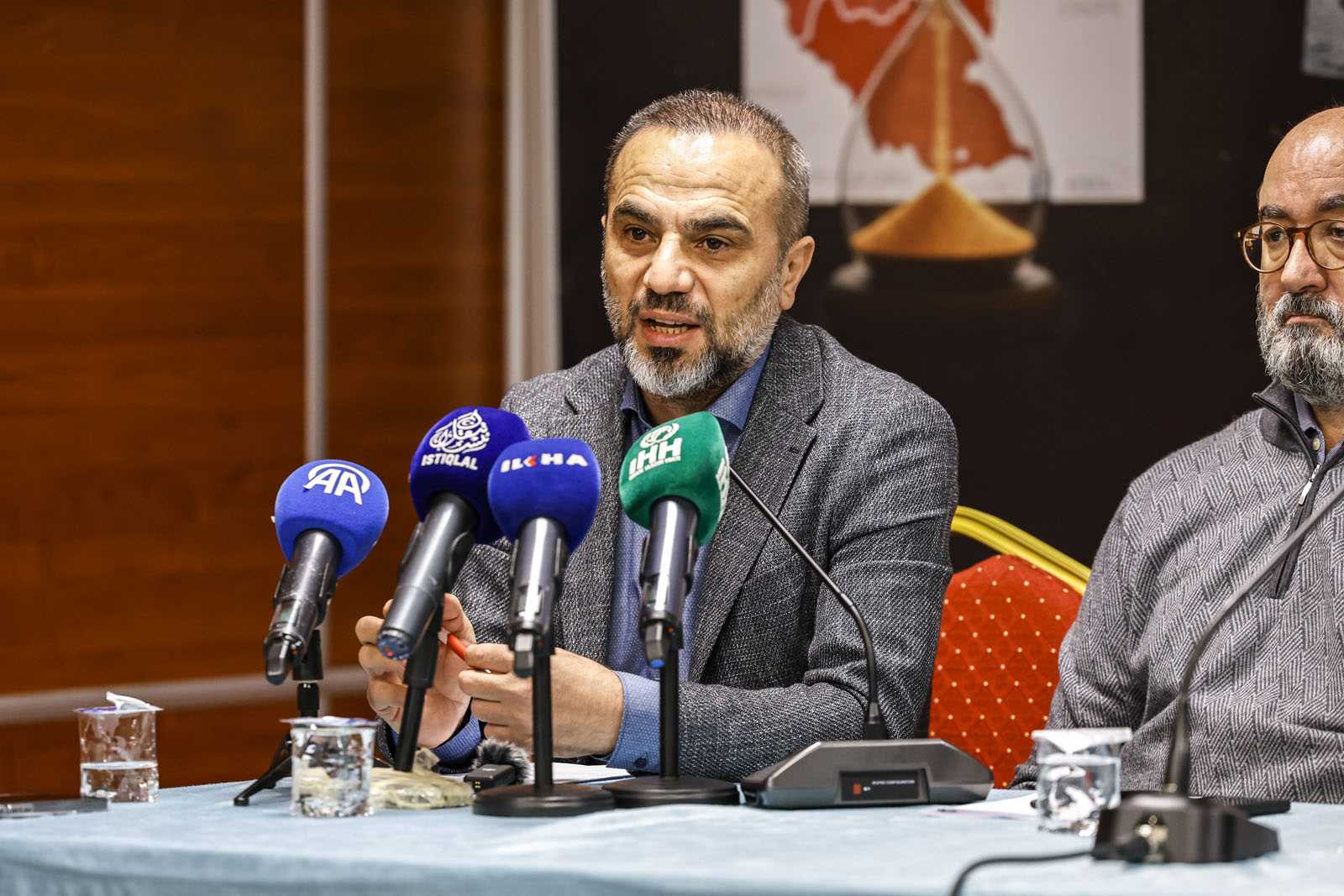
‘The human rights declaration must be reflected in the field’
Following the press statement, representatives of the signatory organisations took the floor. IHH Board Member Reşat Başer emphasised that the United Nations must reflect the Human Rights Declaration, which it has shelved, in the field. Başer said, "We are now in a process where suffering is indescribable, and it must be made applicable as a matter of urgency. We are talking about dozens of countries, such as Palestine-Gaza, which has been left alone; East Turkistan, which cannot even share its pain; and Arakan, Sudan, and Yemen, which cannot make their voices heard. On this 10th of December, a day of beautiful statements and beautiful sharing, we need to see the implementation of human rights on the ground. What we want, especially from the Islamic world, is for this suffering to end. We believe that urgent action is needed for this."
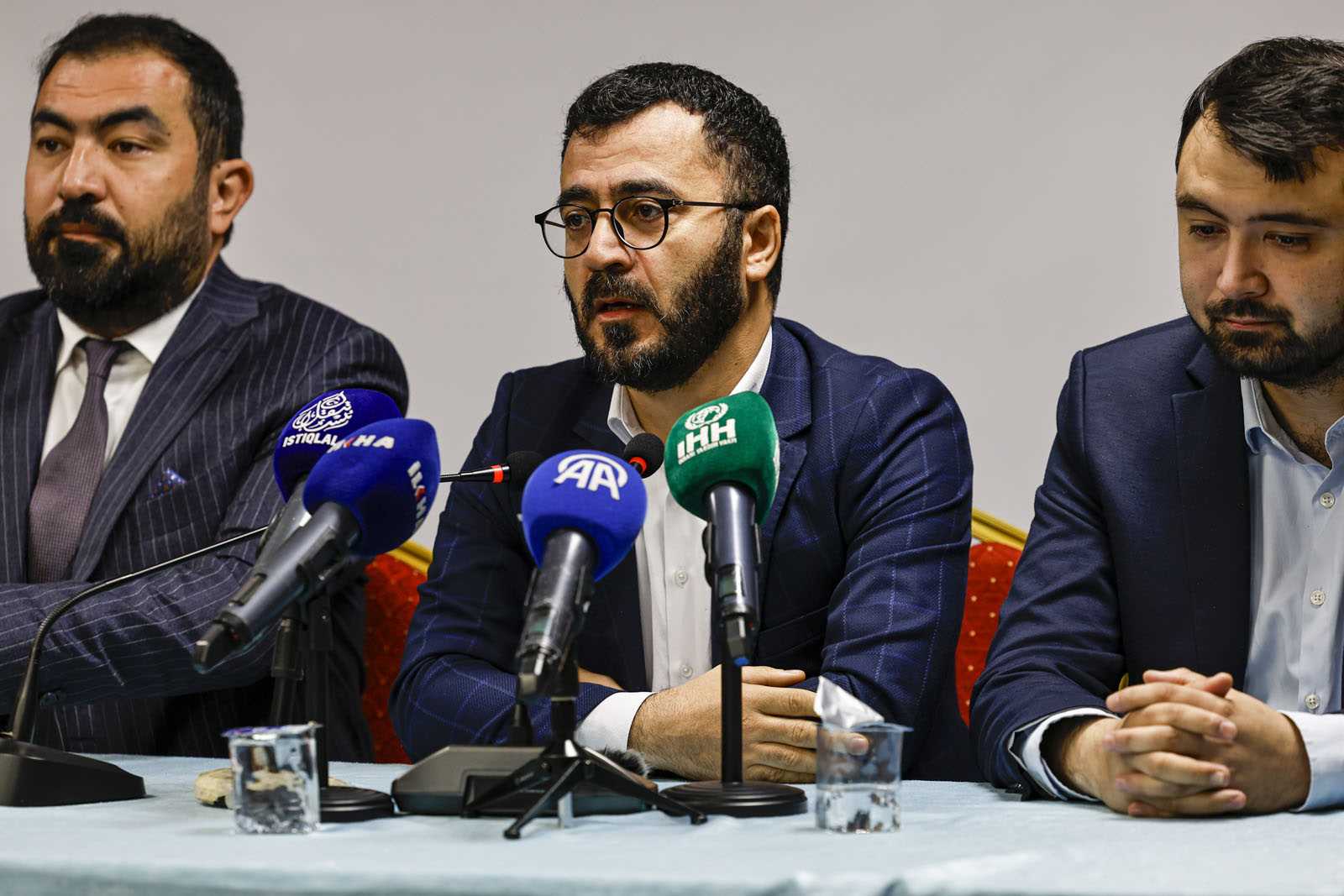
‘Monitoring the return centres is very important’
Stating that we are going through a period in which human rights mechanisms and human rights discourse are largely suppressed, Mazlum-Der President Kaya Kartal said, "The genocide in Gaza and even the massacres that took place after the process carried out under the name of a ceasefire have made these mechanisms and this discourse questionable. Today, most of the signatory organisations here are either formed by people who have sought refuge in Turkey or organisations fighting alongside these people. We desire for the Anatolian geography to be a safe haven, a place of dignity and honour, where those who seek refuge here can live comfortably with their families, just as it was in the past. The ban on deportation is very important in this regard. Monitoring the return centres is very important in this regard. It saddens us when a Uyghur, an Uzbek or an African seeking refuge in Turkey, a person waiting for protection here, is forced to leave because they cannot live here and is compelled to go to America or any other European country. I wanted to commemorate this day with the hope that a mechanism will be established to prevent this from happening.
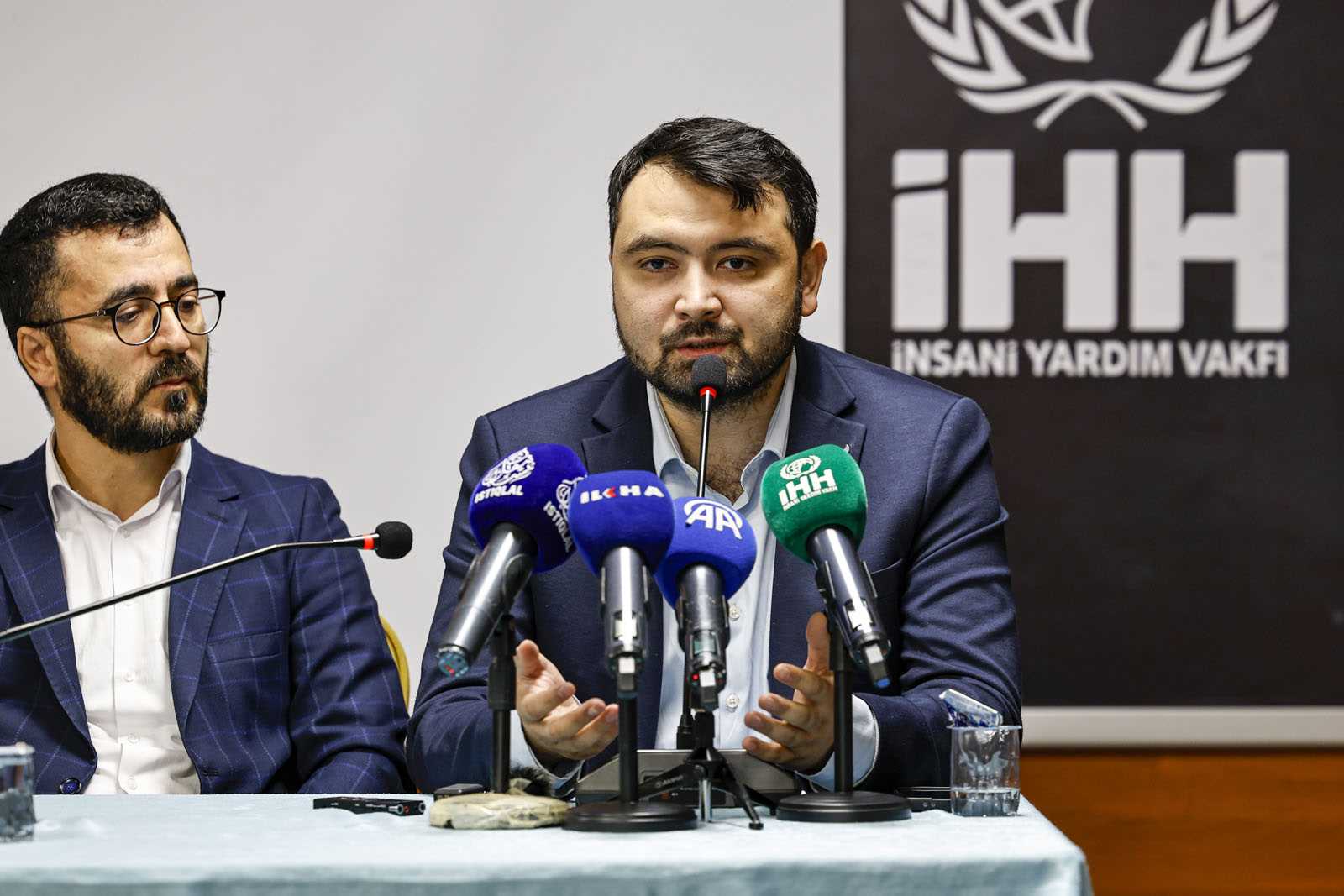
“Human rights violations have intensified worldwide”
Musa Üzer, General Secretary of Özgür-Der, said, “We must state that the universally expressed perspective on human rights was determined by the victorious powers after the Second World War and was based on the white man. Therefore, what is called universal human rights is based on double standards and an incomplete paradigm, as we see everywhere.”
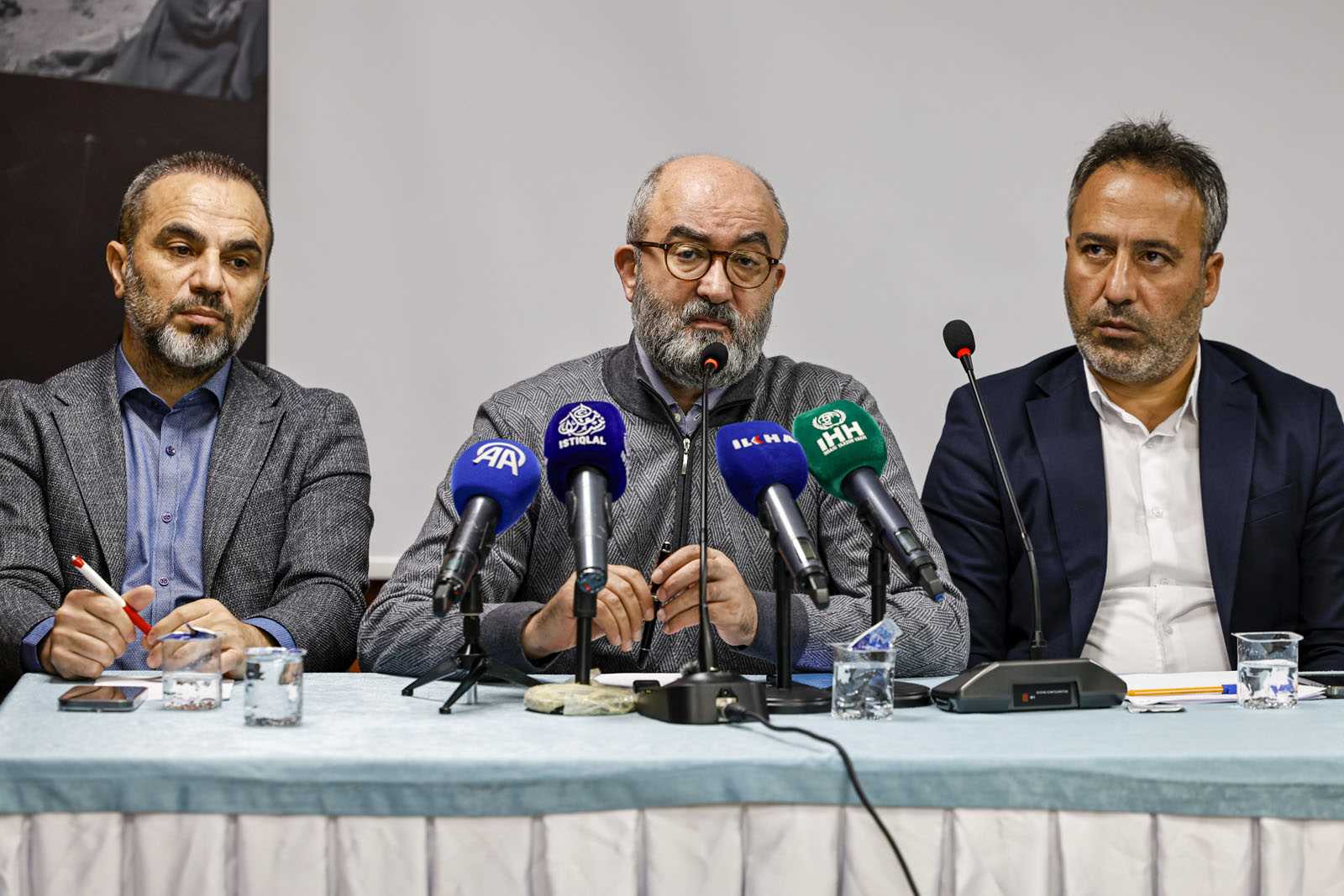
Abdureşid Eminhacı, President of the East Turkistan Human Rights Monitoring Association (ETHR), said, "For the peoples of East Turkistan, Palestine, Sudan, Congo, Arakan, 10 December has become a day when we say how many human rights violations there are, how many people have been killed, how many people have been imprisoned. We are in a period where human rights violations are intensifying and being ignored around the world. In such a period, it is very important for Turkey, as a state, as a society, and as civil society organisations, to take a stance on the protection of human rights and dignity and to carry out work on this issue."
The press conference concluded after the speeches.