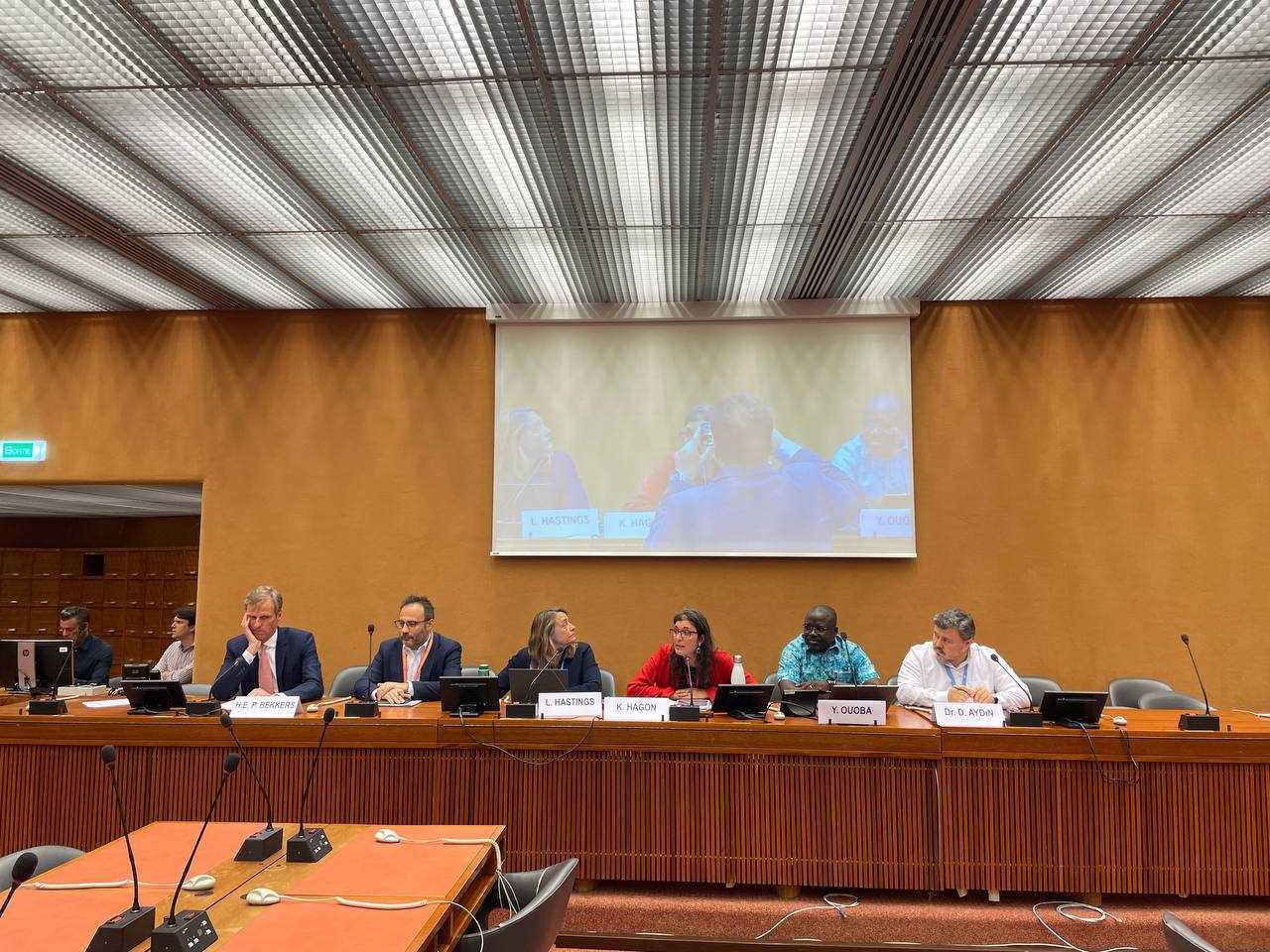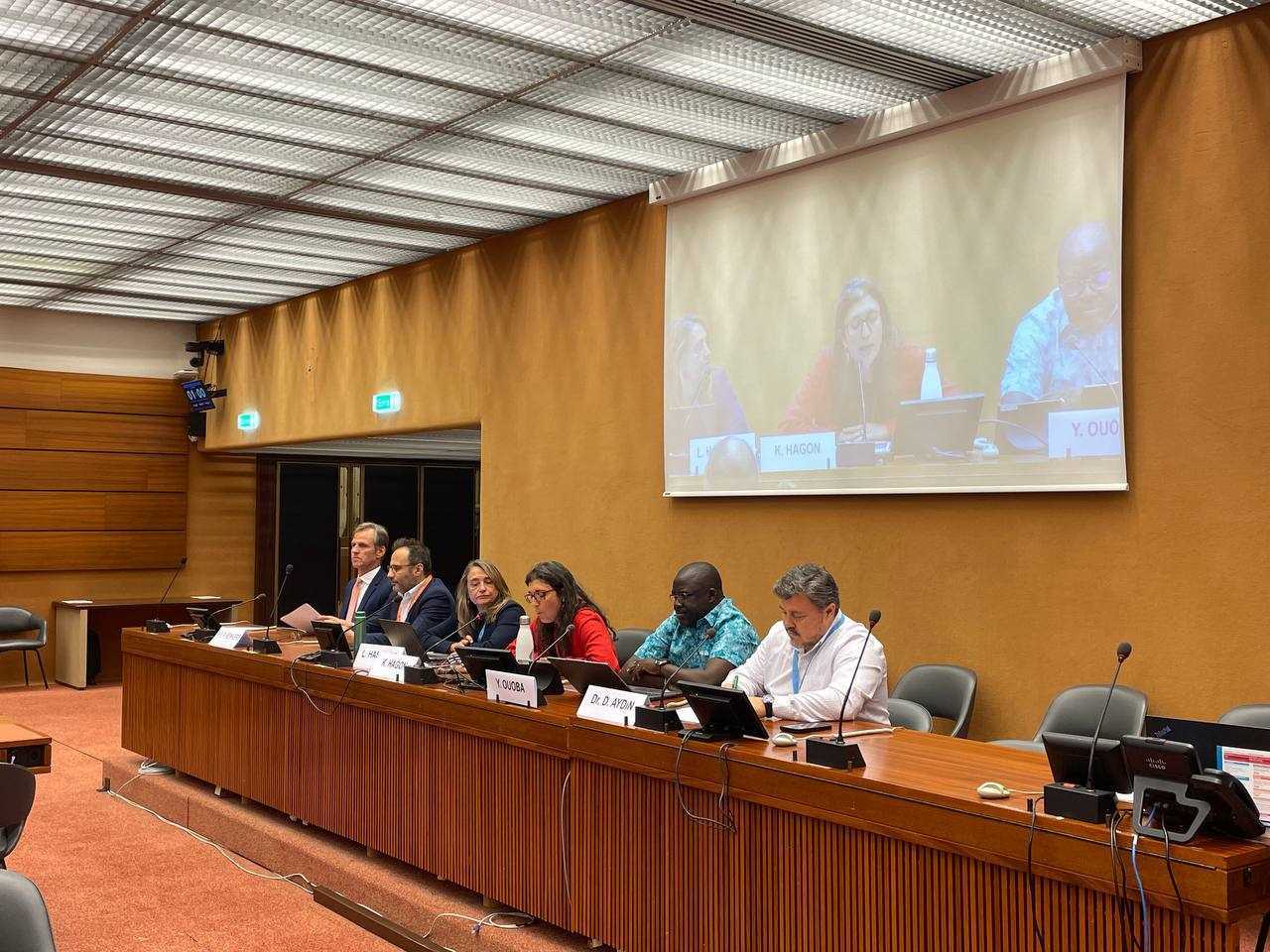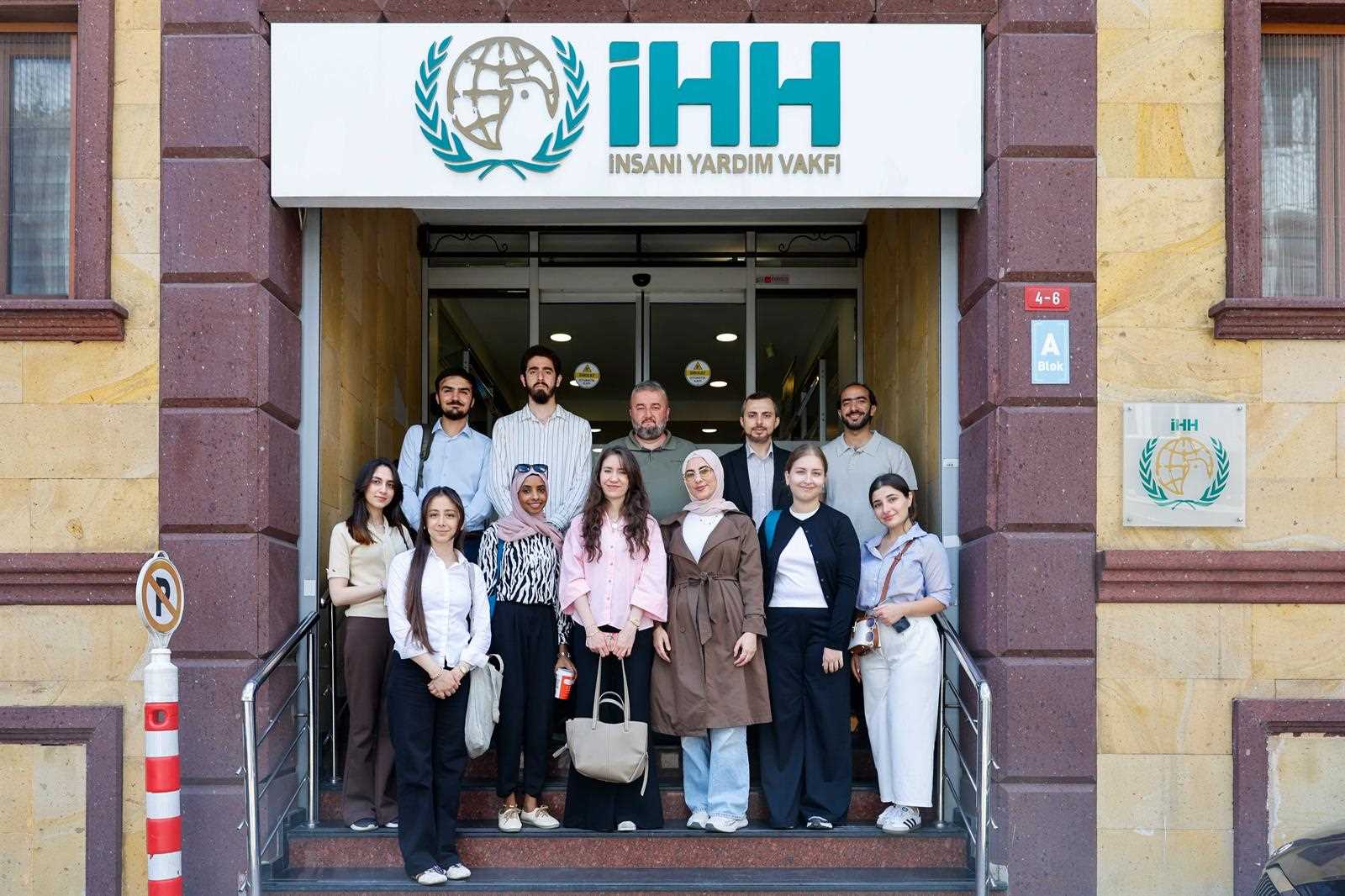


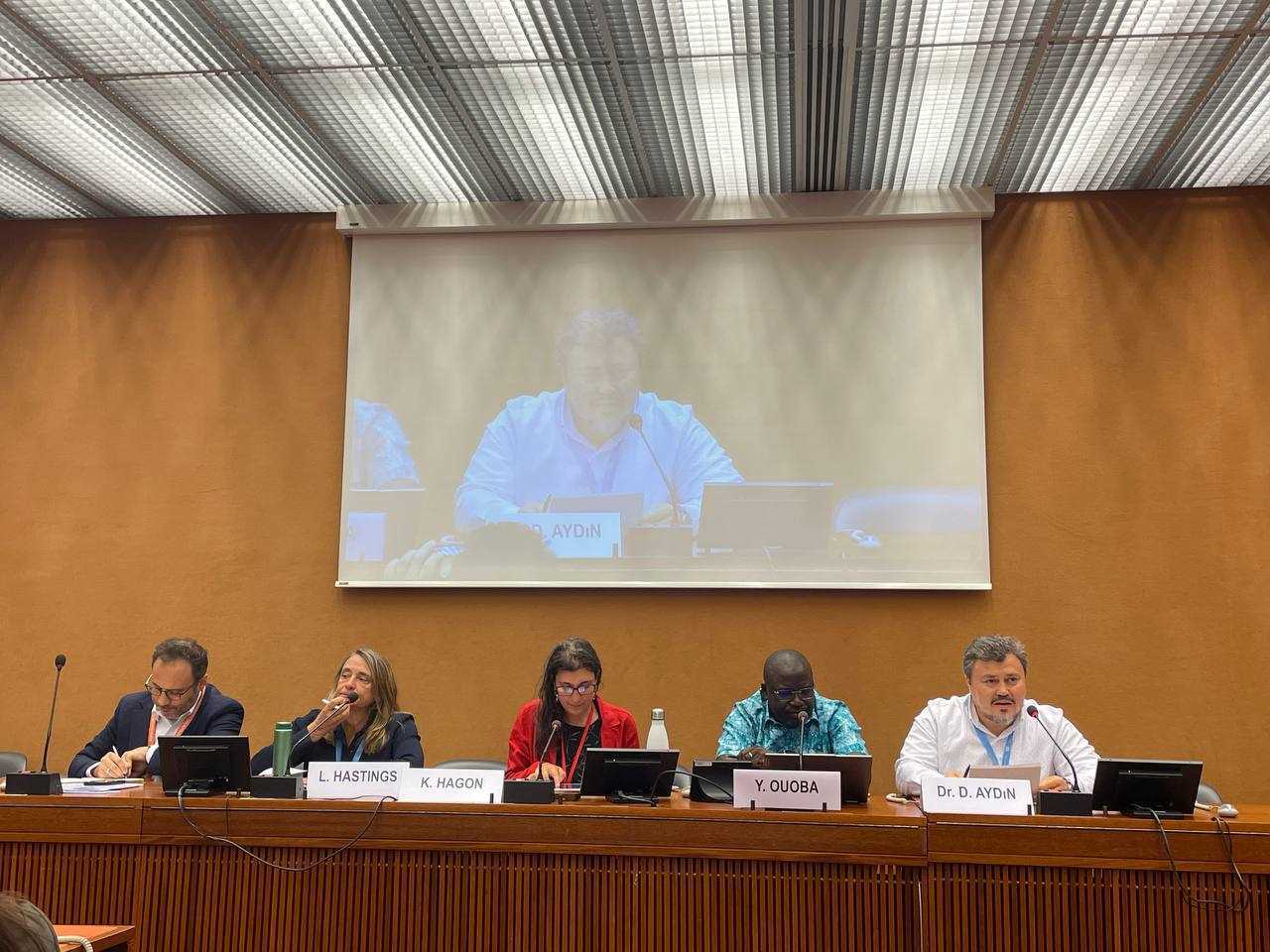
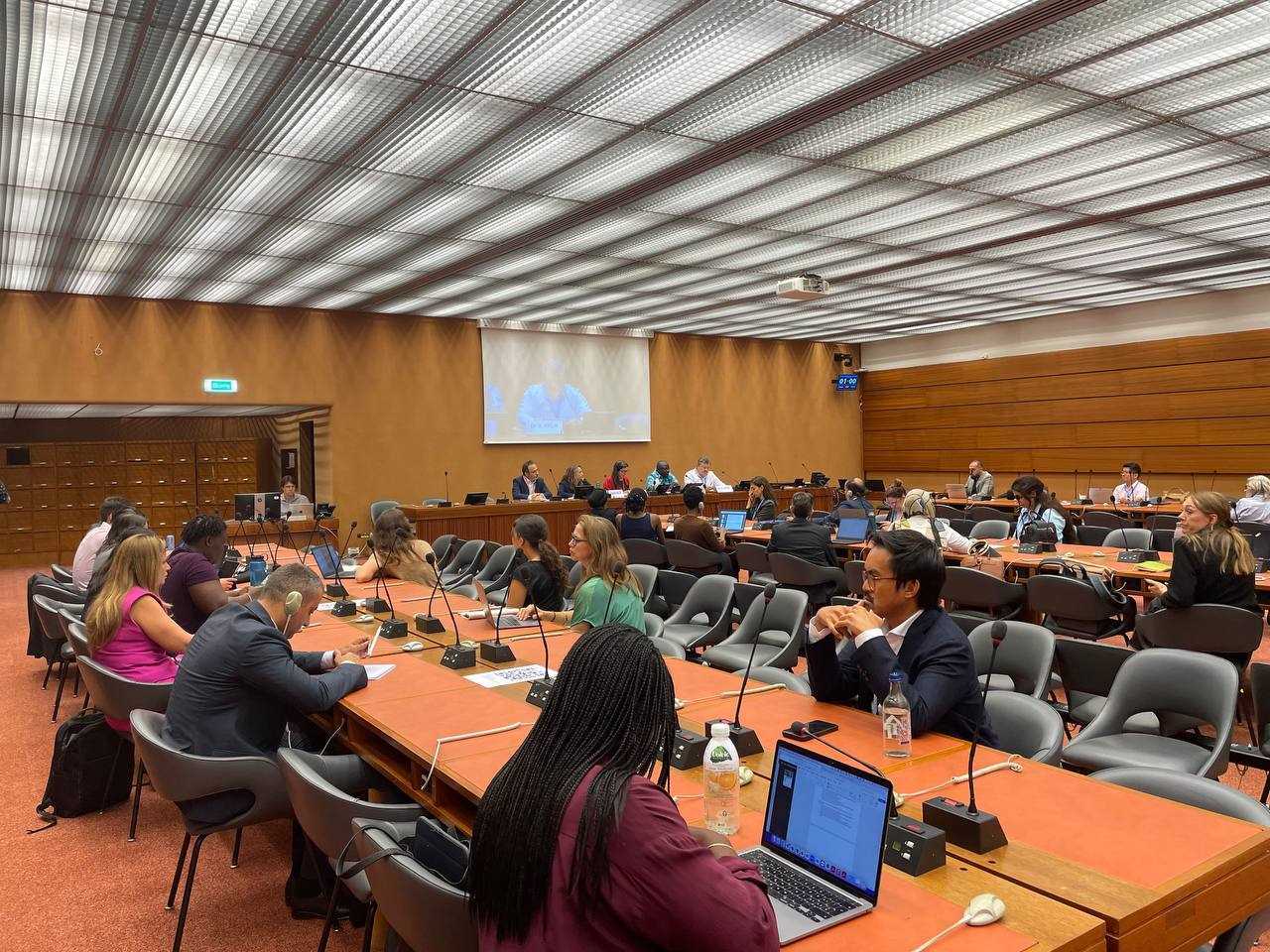
The side event, titled “Localising Humanitarian Response to Advance Solidarity: Centring Community Leadership and Justice-based Approaches,” was held during the ECOSOC (Economic and Social Council) Humanitarian Affairs Segment (HAS) 2025, which took place in Geneva, Switzerland, from June 16–20. The event emphasized the need to redefine the humanitarian aid system around solidarity and highlighted the importance of placing local communities at the center of decision-making processes. Dr. Durmuş Aydın, Secretary General of IHH, participated in the event as a panelist. In his speech, he underlined the importance of justice-centered and locally focused humanitarian aid.
“Justice must be a practice, not just a value”
In his panel remarks, Aydın stated:
If we want humanitarian action to become truly transformative, then we must stop confusing presence with power. Local actors do not need more invitations to meetings, they need actual space to lead, to decide, and to be resourced on their own terms.
This means shifting coordination from a system of control to a culture of co-leadership.
It means moving from short-term, risk-averse funding to models that are trust-based, flexible, and designed around the shifting priorities of communities, especially in protracted and politically charged crises.
And it means centering justice, not only as a value, but as a practice. Justice for the people means giving them the power to define their own needs, solutions, and futures. Not through intermediaries, but through platforms that respect their voice, leadership, and agency.
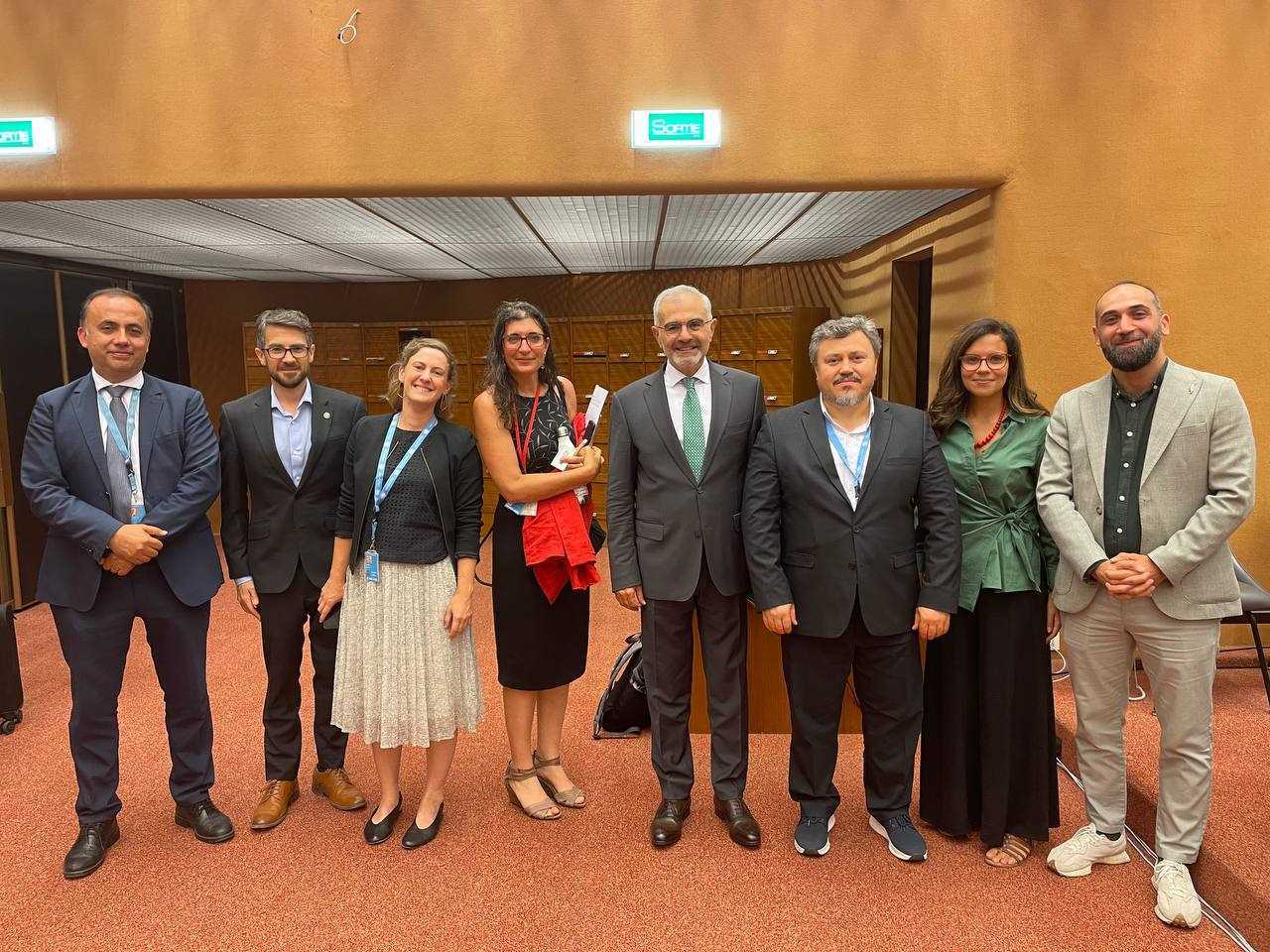
Finally, addressing organizations that serve as a bridge between the local and the global, Aydın emphasized:
Organizations like IHH, that operate between the local and the global, have a responsibility to help bridge this gap, not to speak for others, but to support the conditions where local actors can speak and act for themselves.