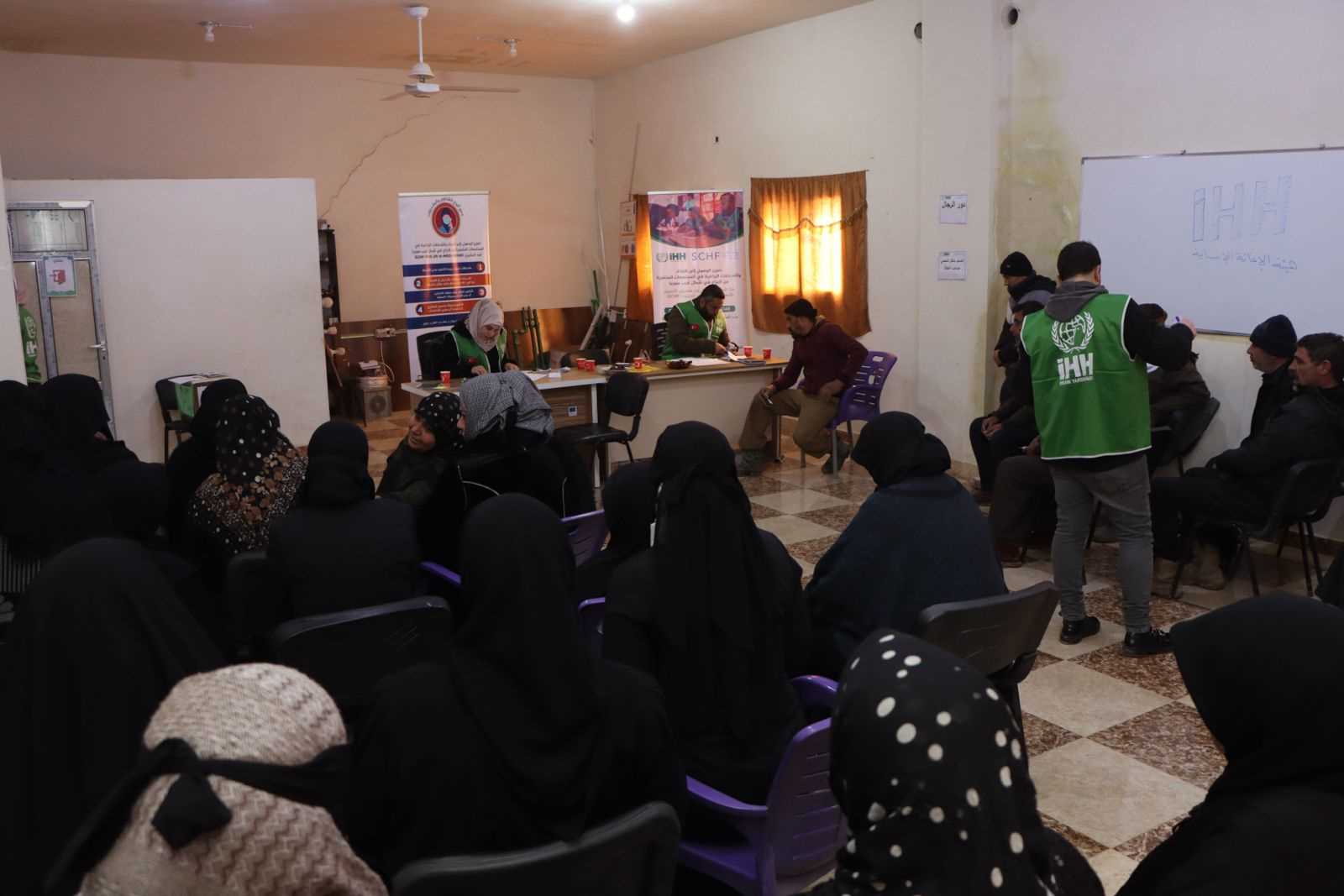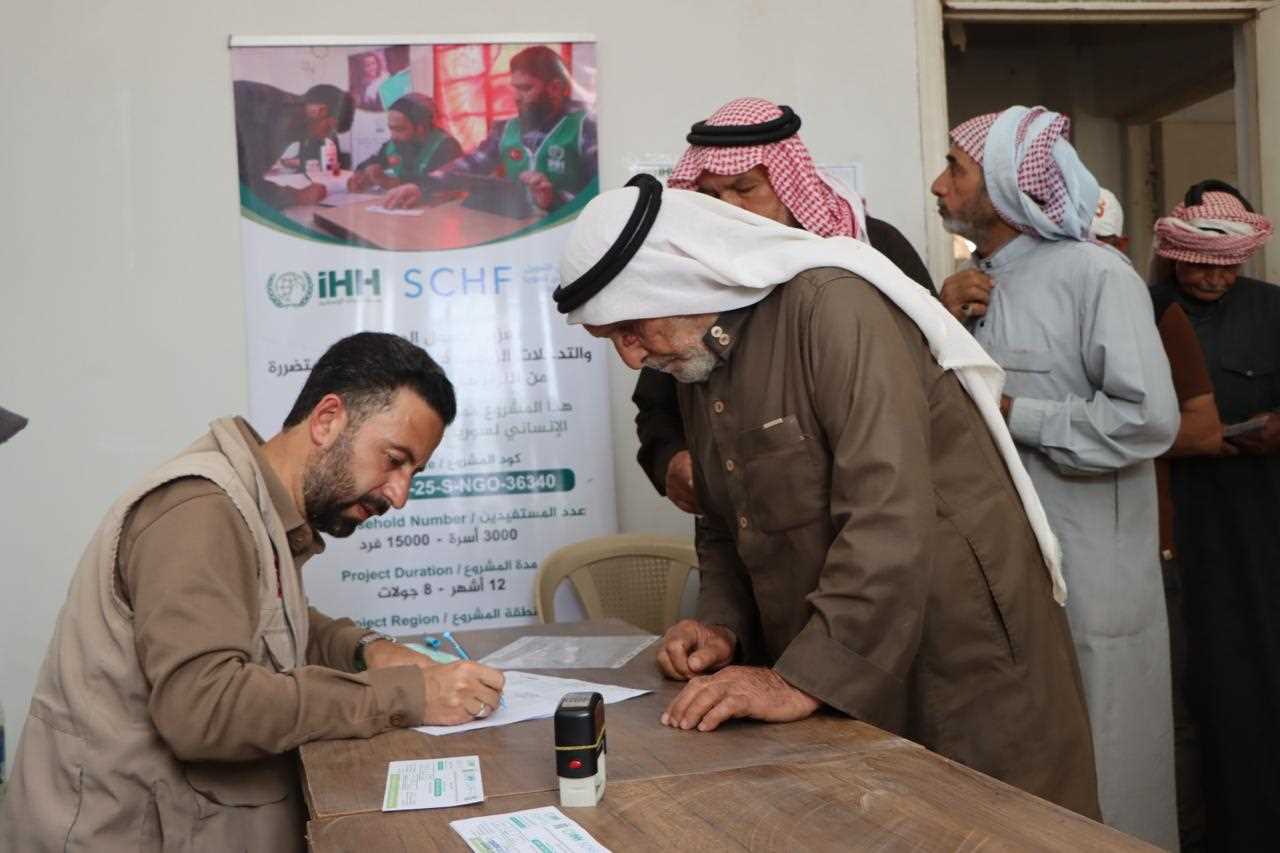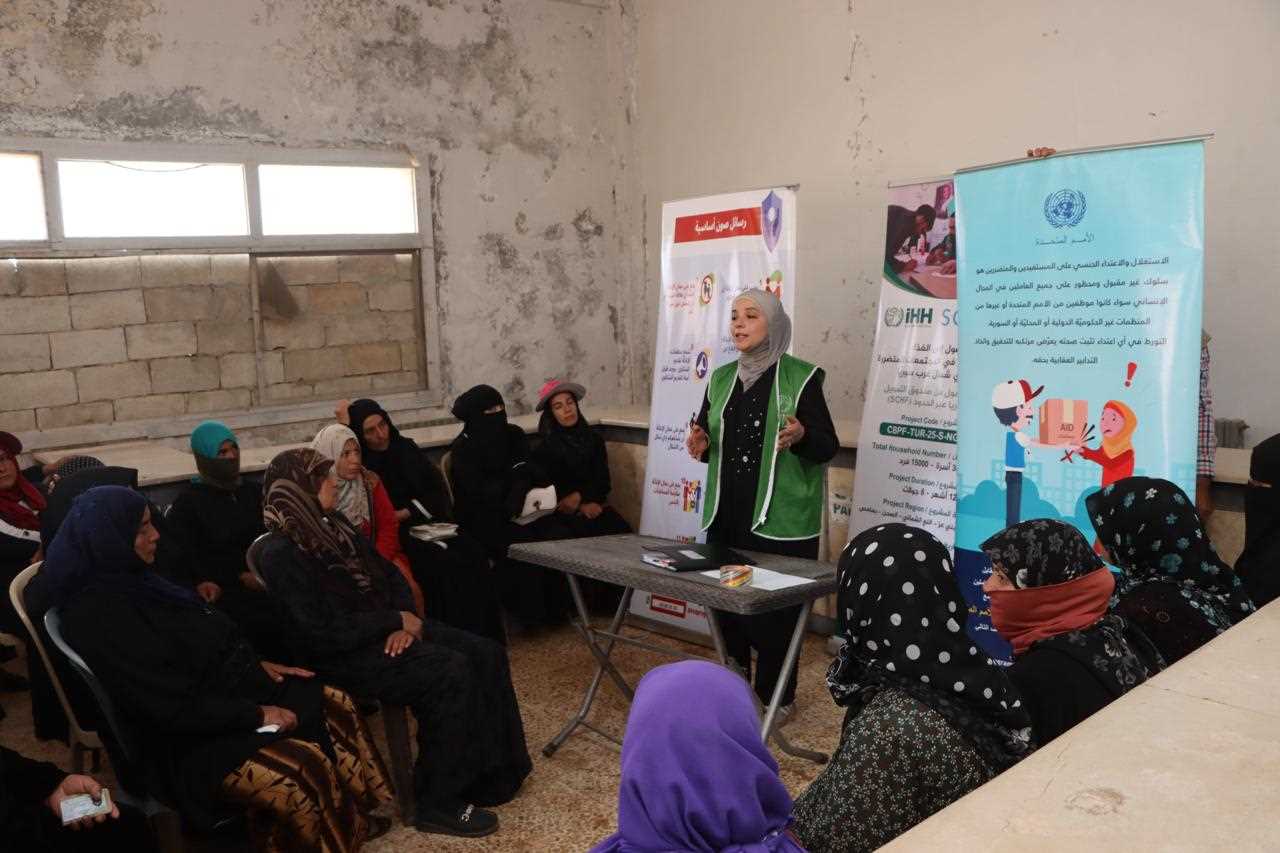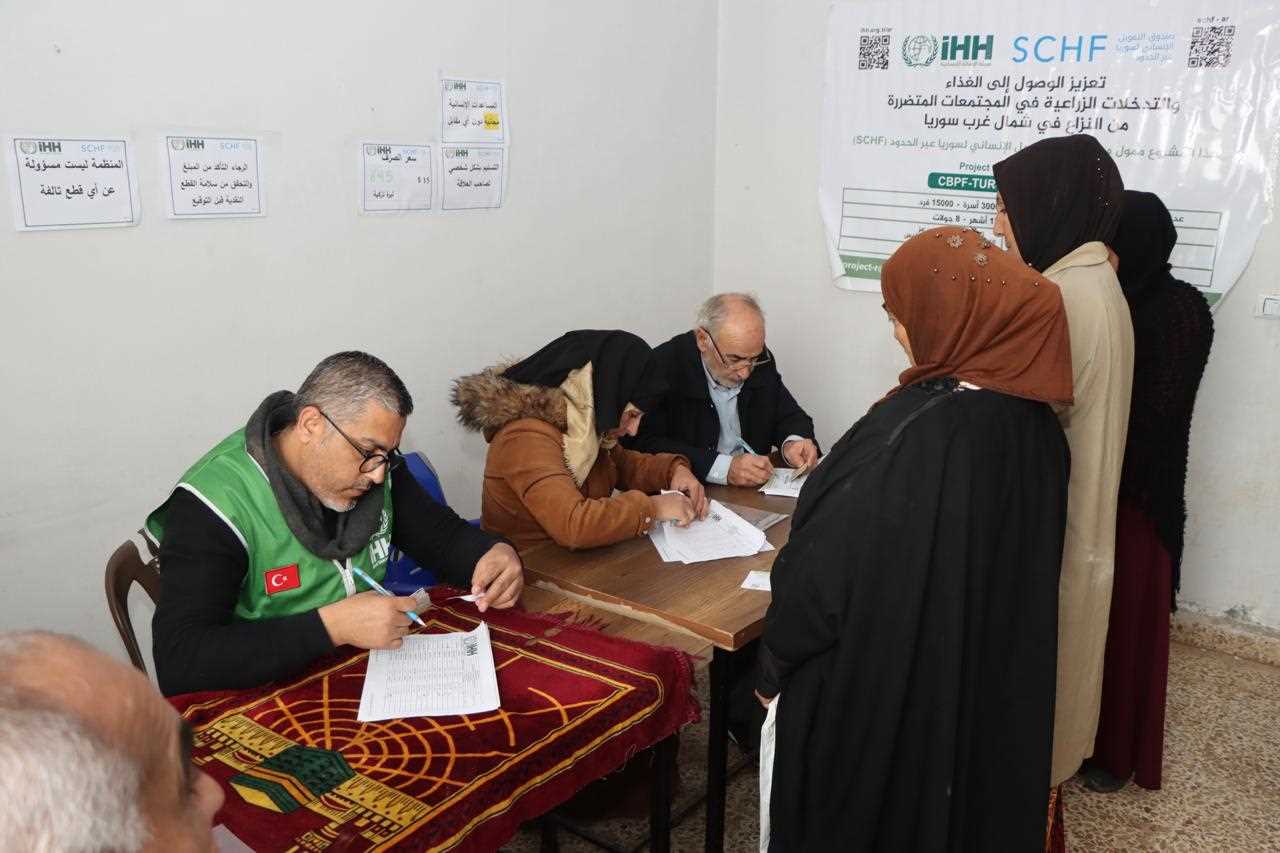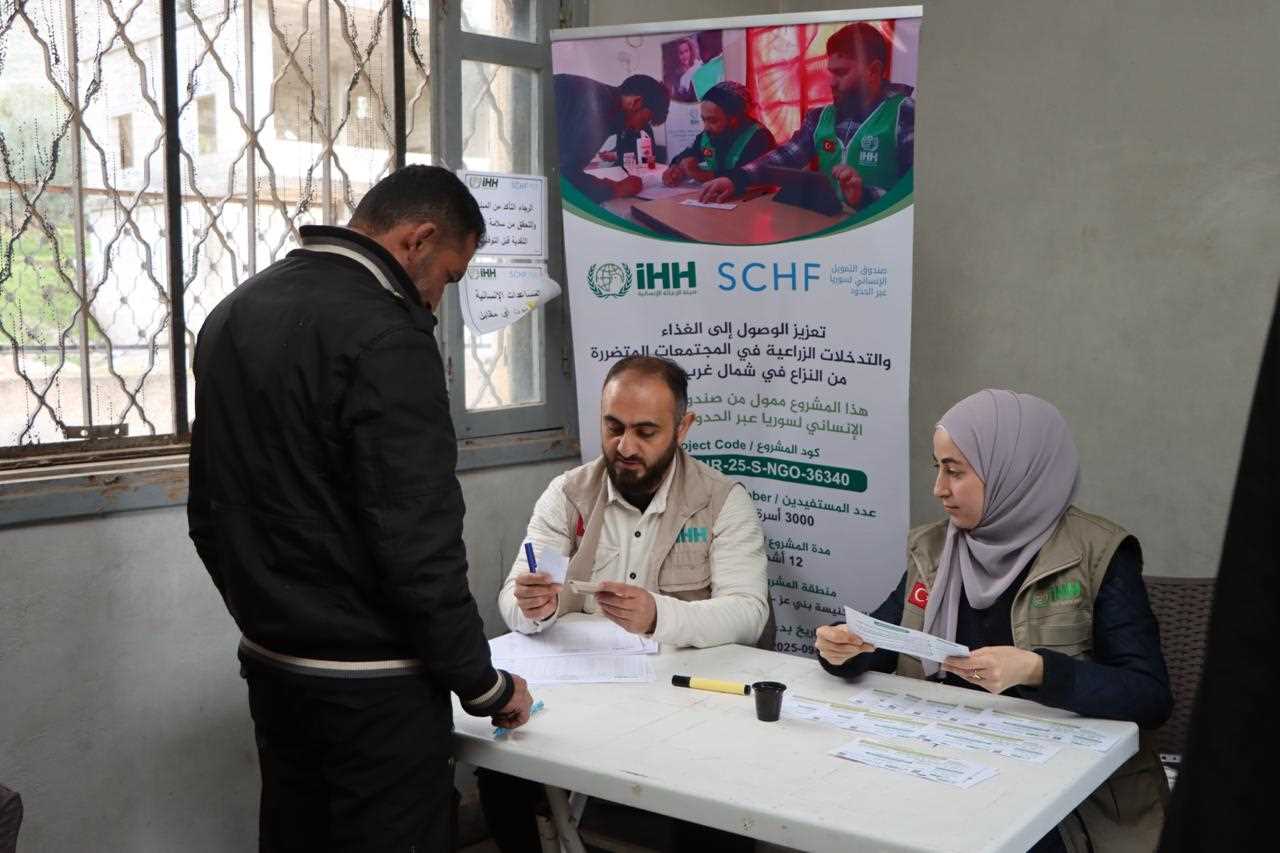
The IHH Humanitarian Relief Foundation has completed a humanitarian aid project carried out in the Teftenaz, Muhambal and Ihsim regions of Idlib between September 2025 and August 2026, with the support of the UN Syria Cross-Border Humanitarian Fund (SCHF). A total of 15,115 people benefited directly from the project, which aimed to provide cash support for food needs, restore a disused bakery to resume bread production, and support wheat farming.
Commenting on the project’s outcomes, Talha Keskin, member of the IHH Board of Directors responsible for international relations, stated that during a period of increasing humanitarian needs in Syria, they aimed not only to provide emergency aid but also to develop sustainable production models.
“We are creating lasting and sustainable models, not temporary solutions”
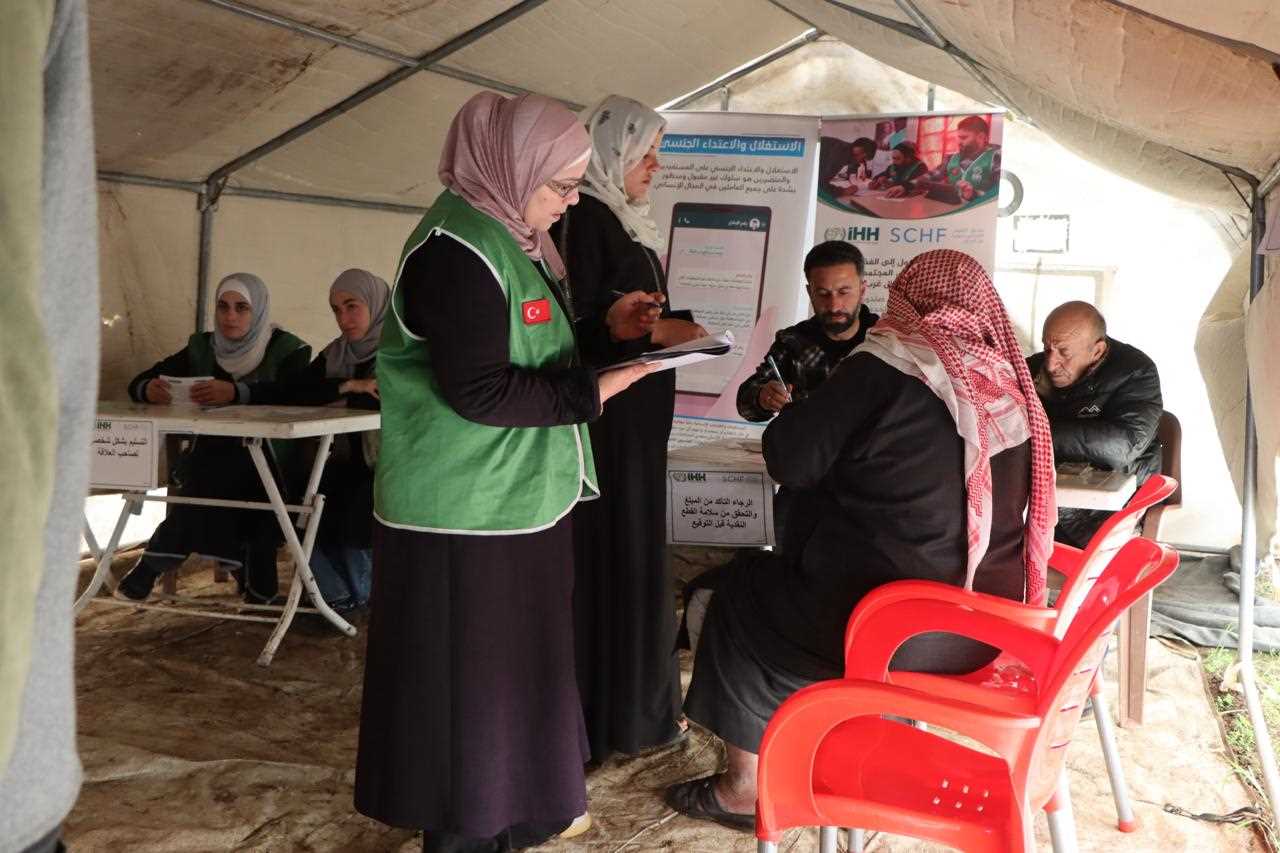
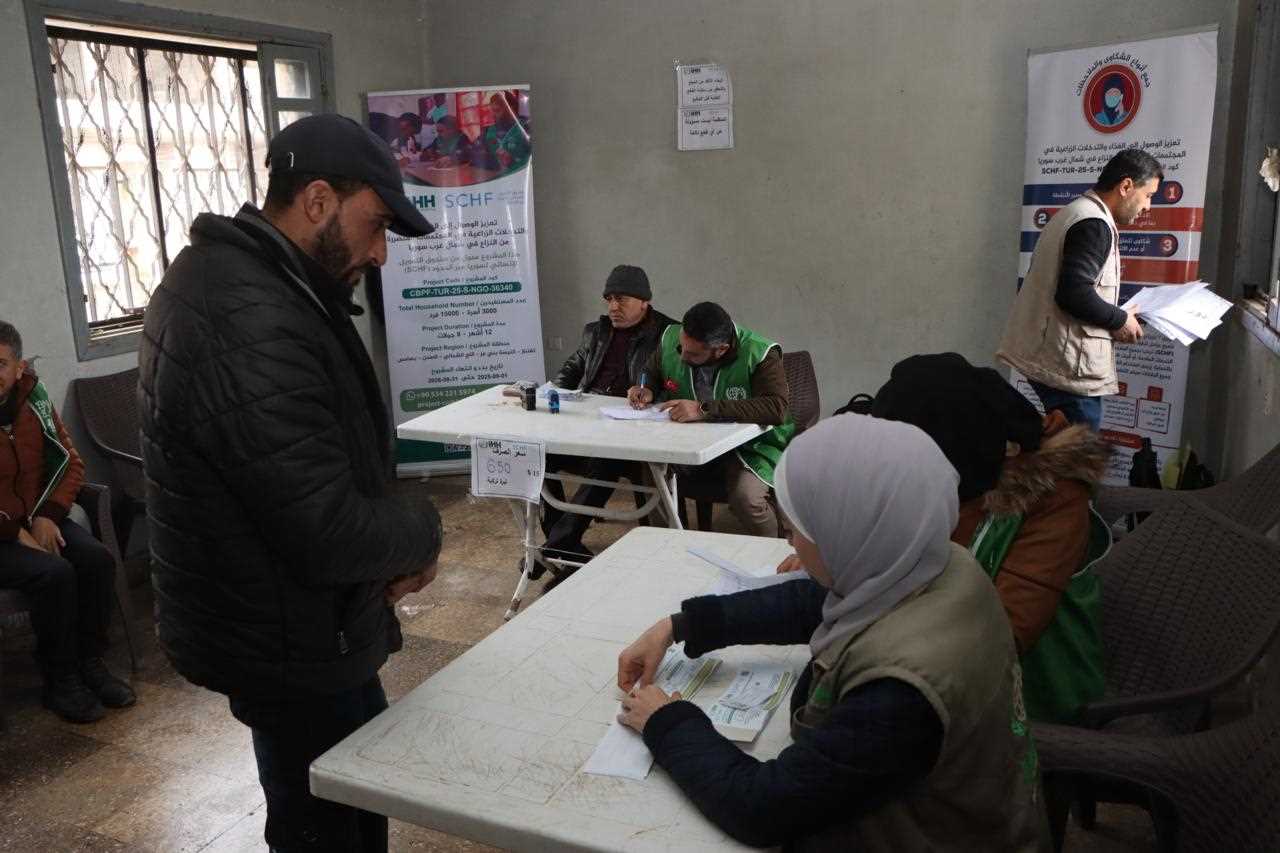
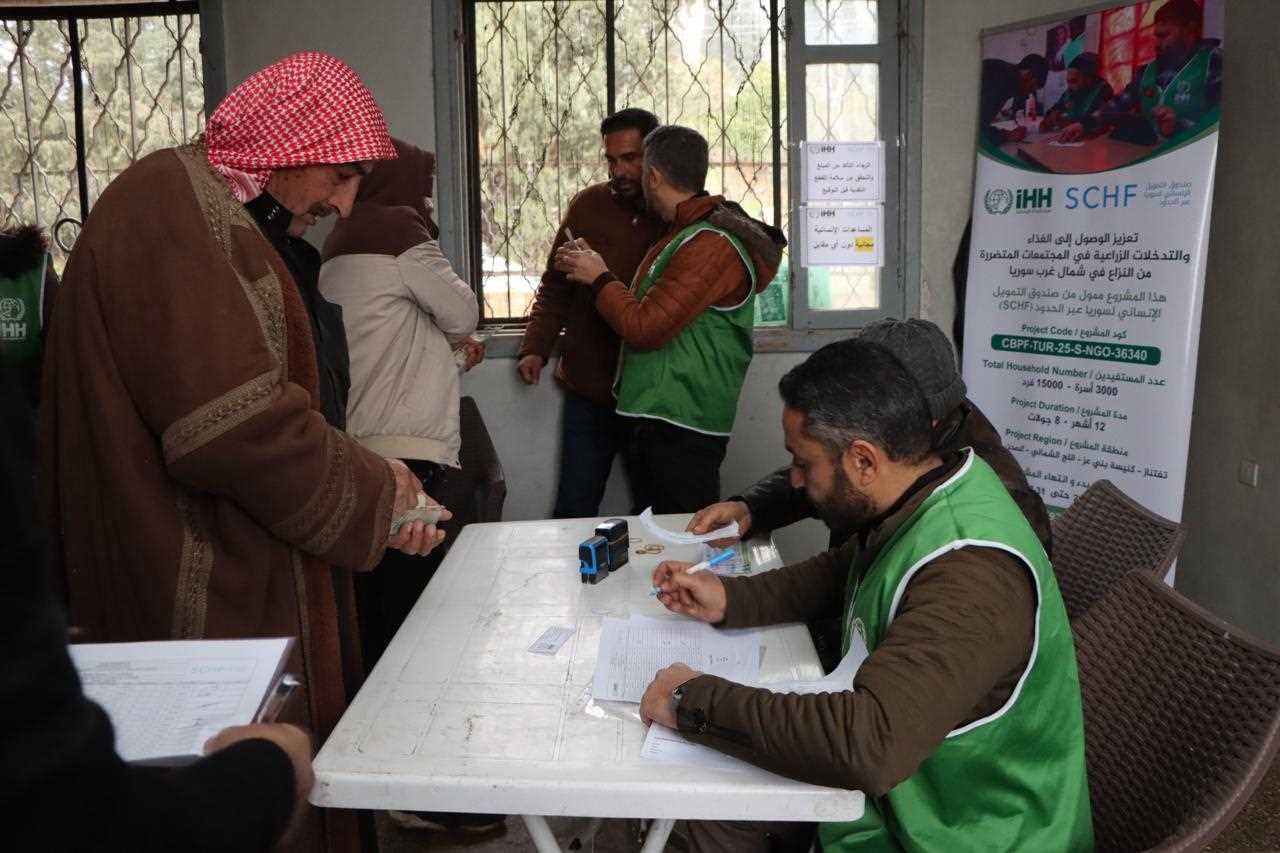
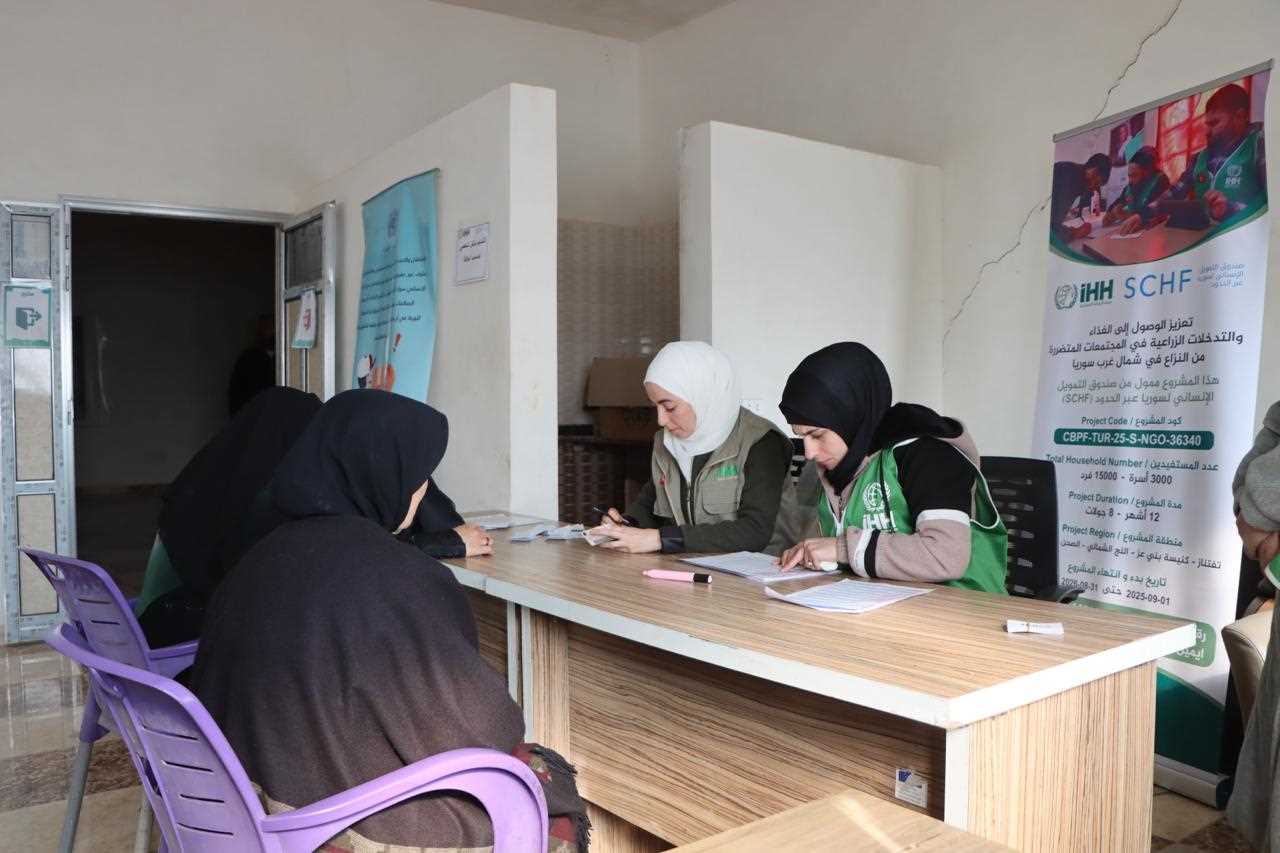
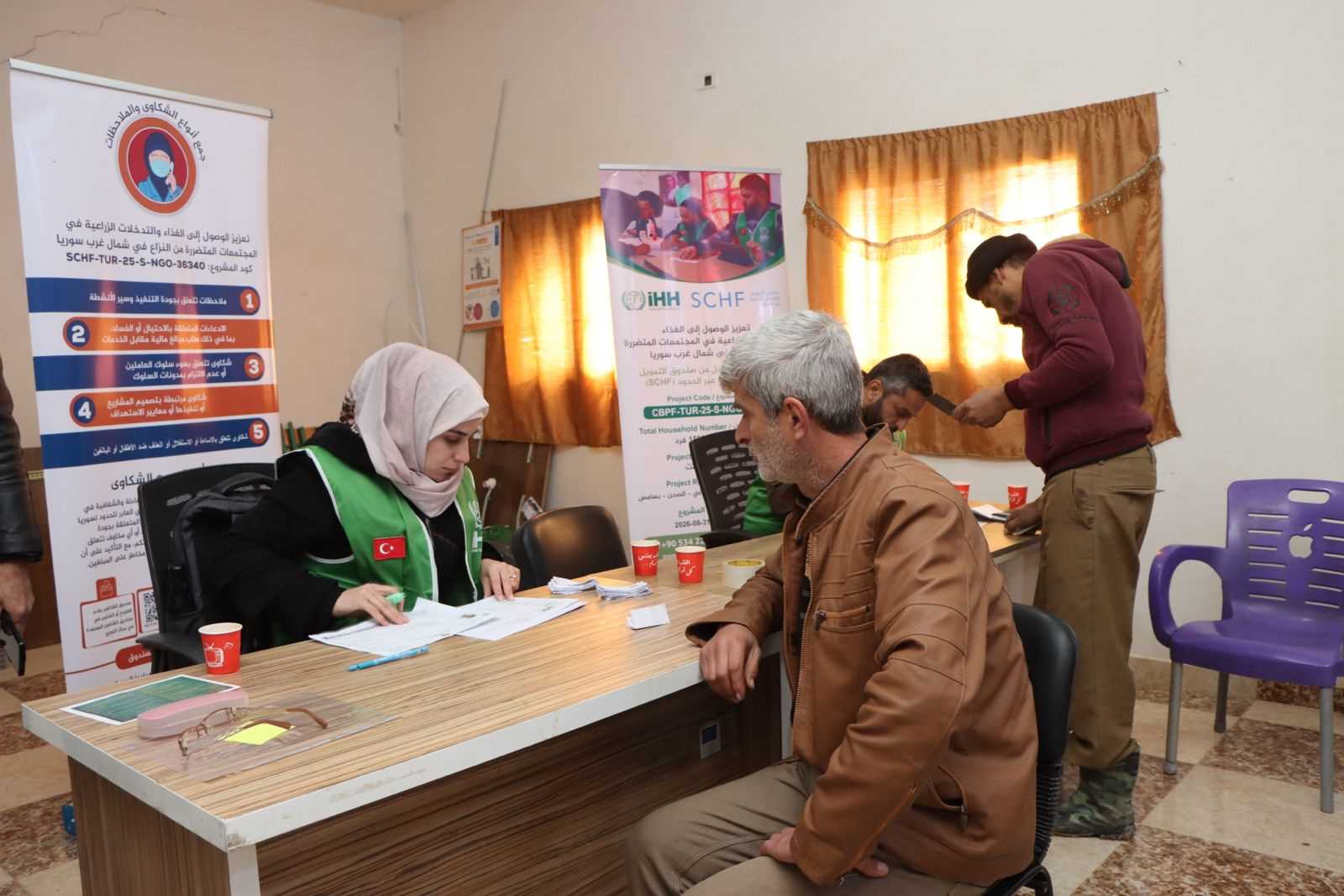
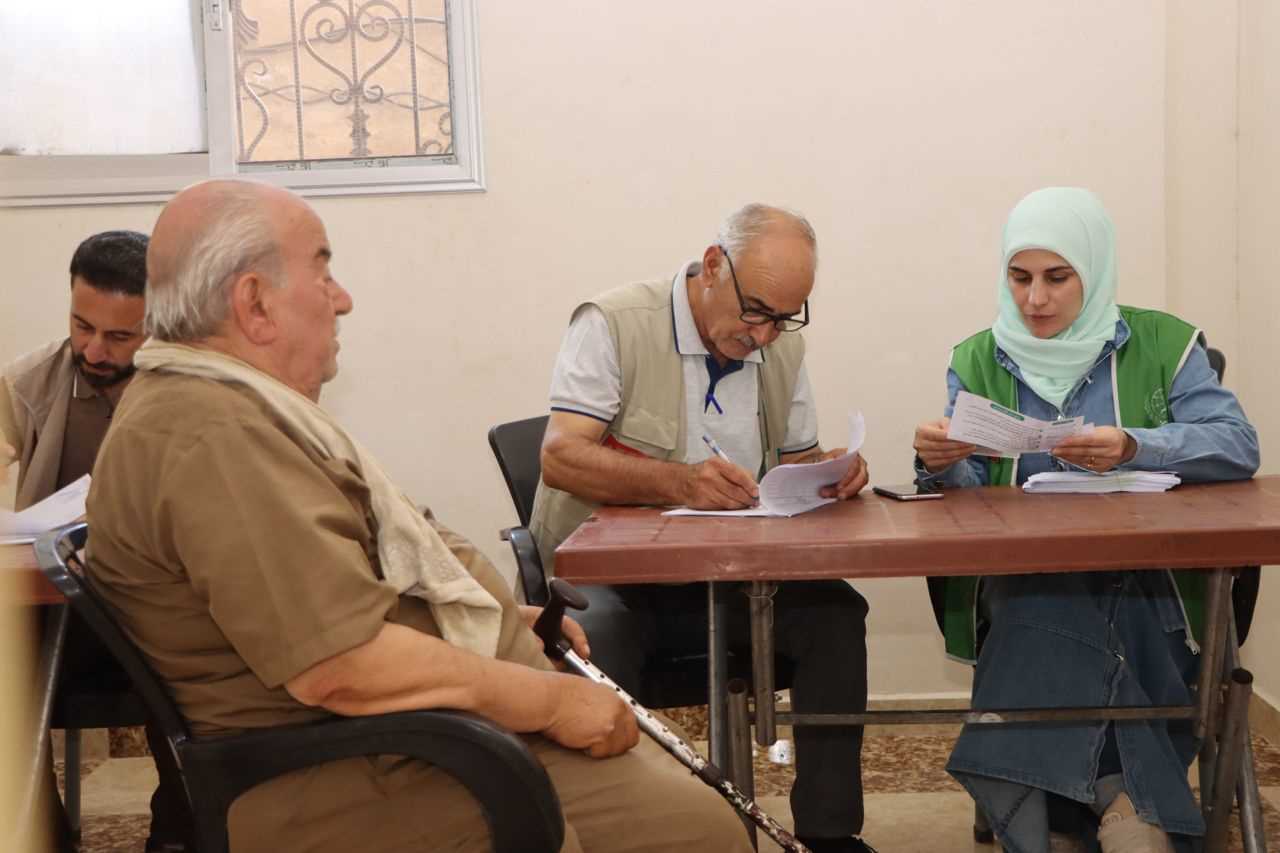
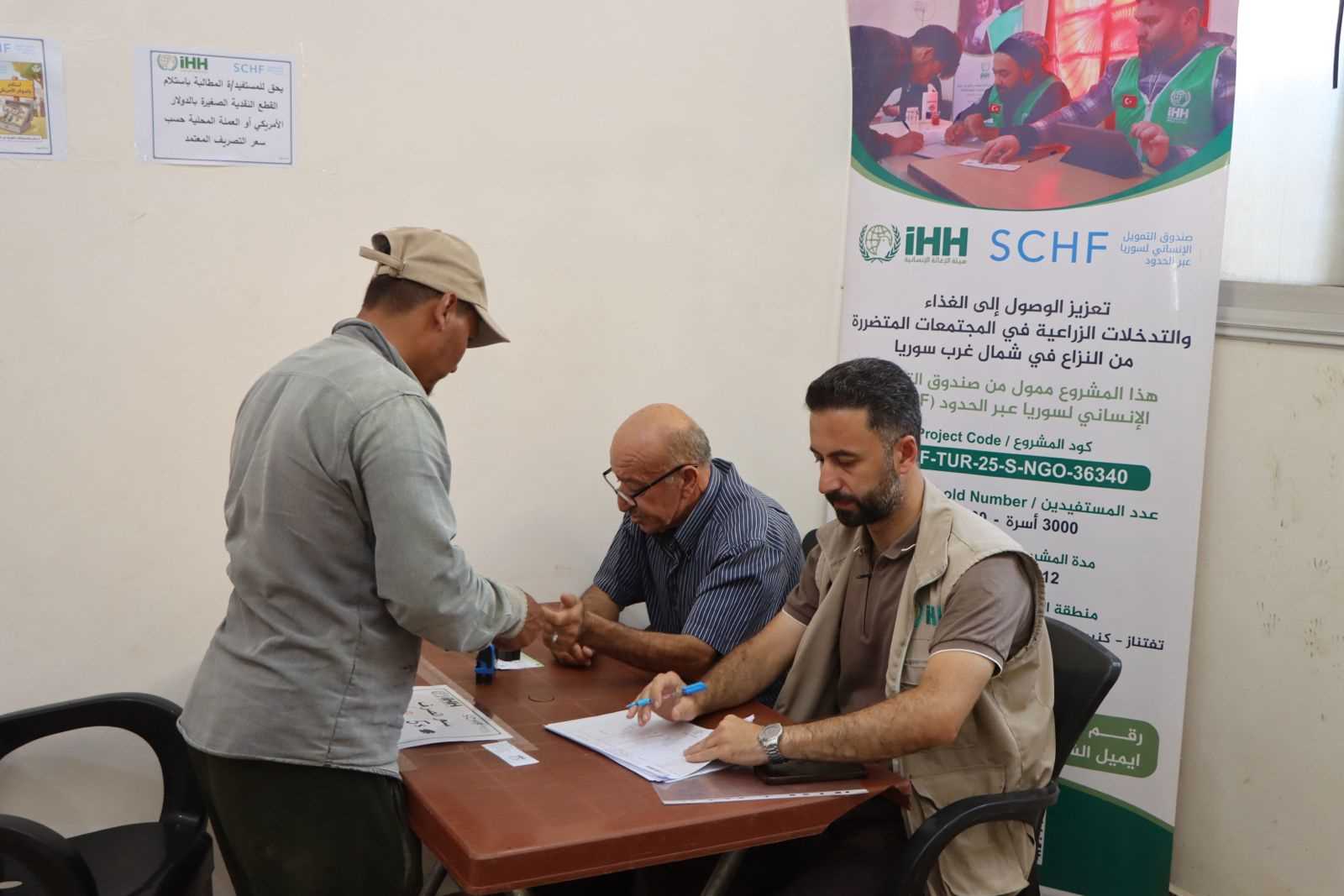
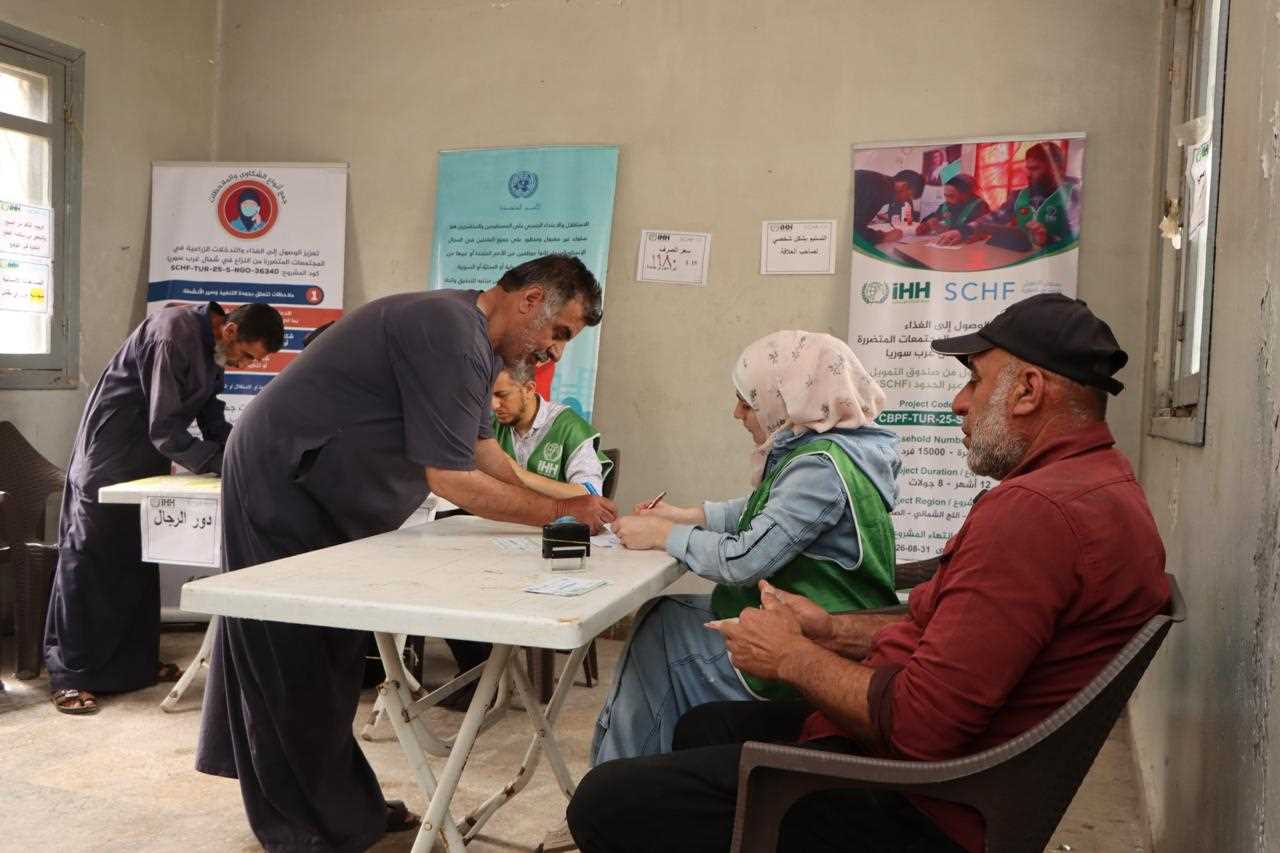
Drawing attention to the project’s social and economic impact in the region, Keskin said, “Due to years of war in Syria, millions of people are still facing significant difficulties in accessing basic foodstuffs. Through this project, which we have implemented in collaboration with the UN OCHA, we aimed, on the one hand, to meet the urgent food needs of affected families and, on the other, to strengthen the region’s capacity for self-sufficiency. Through the cash support totalling 260,000 dollars that we provided to 500 families in the Idlib countryside over an eight-month period, we met 70 per cent of the households’ daily calorie requirements. In our aid efforts, we gave priority to families including widows and those with disabled members,” he said.
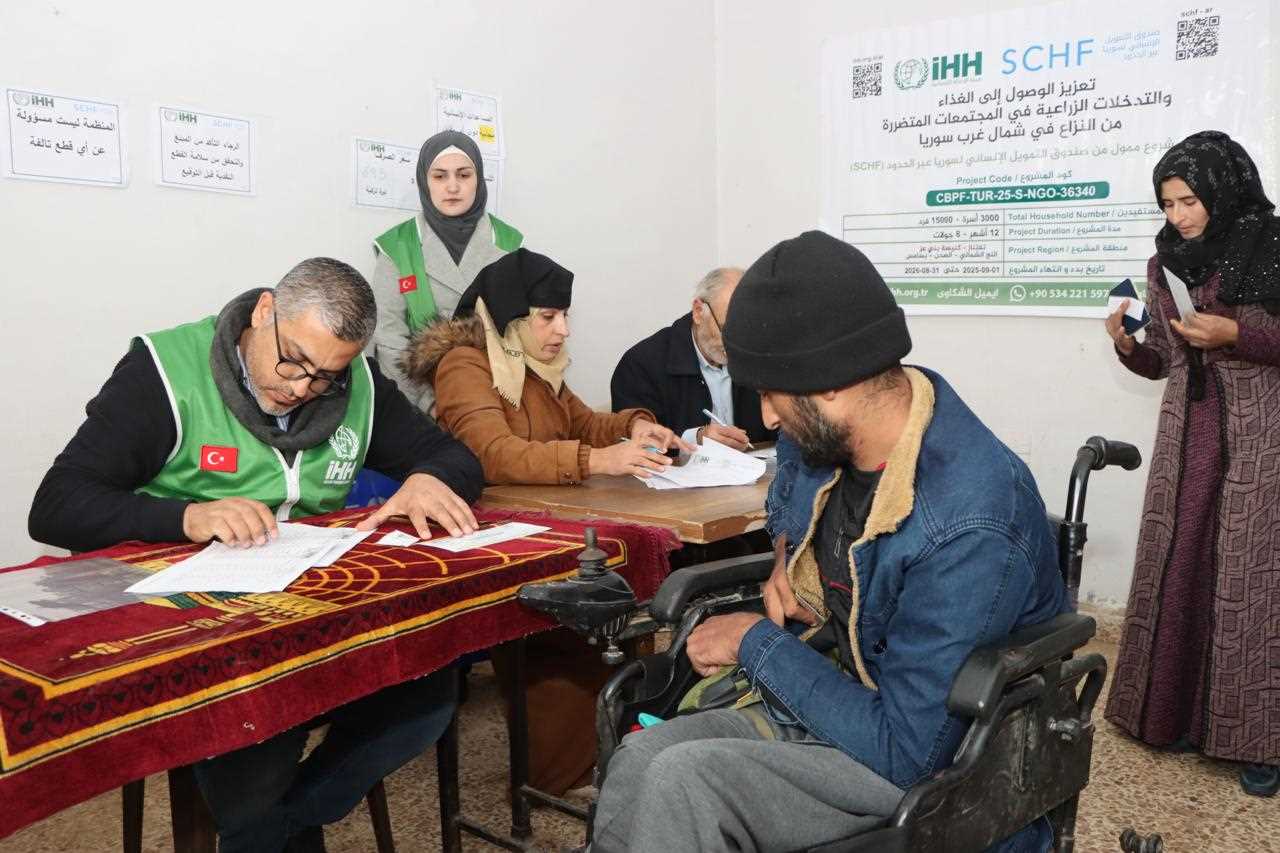
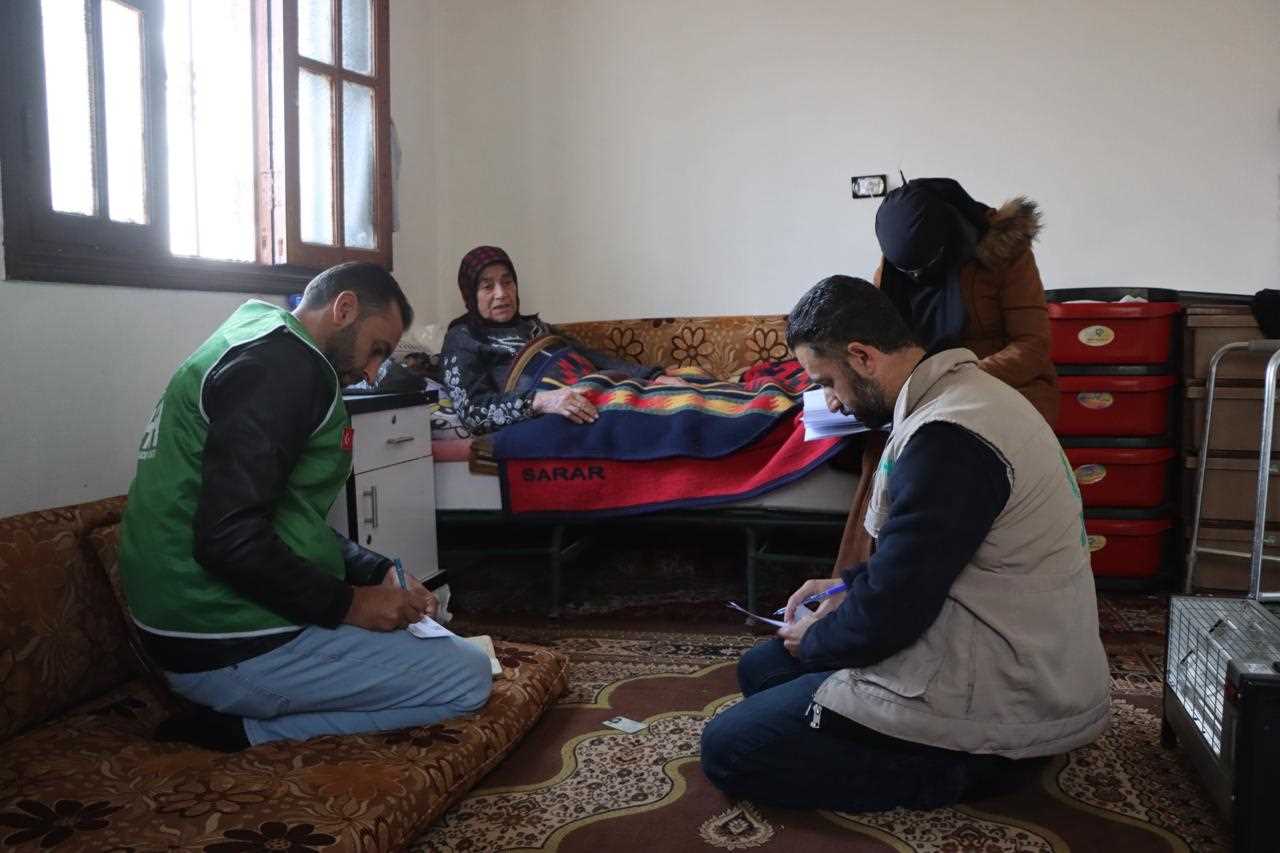
Emphasising that accessibility was a priority during the distribution process, Keskin explained that payments were made directly at the doorsteps of disabled and elderly individuals with limited mobility who were unable to leave their homes.
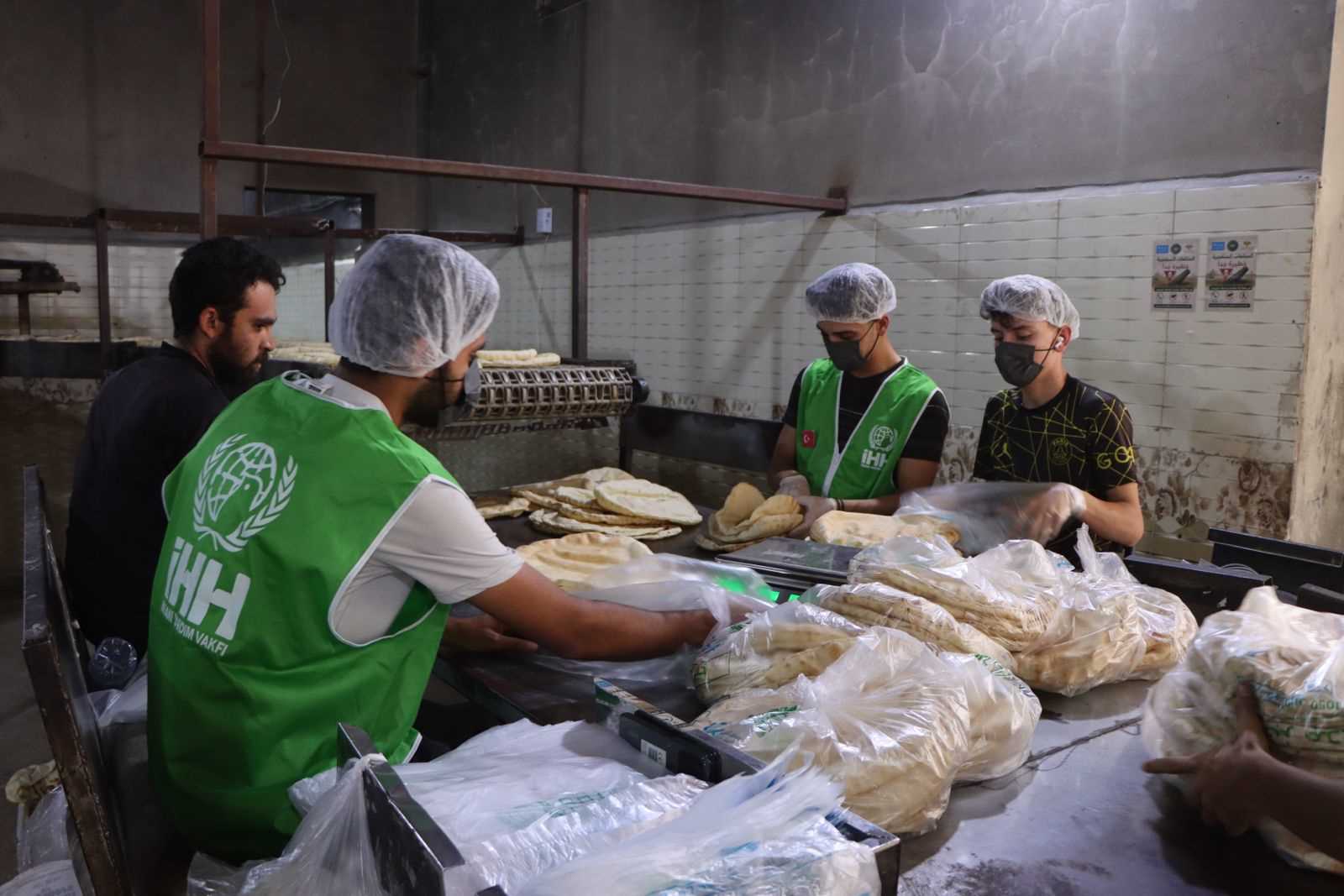
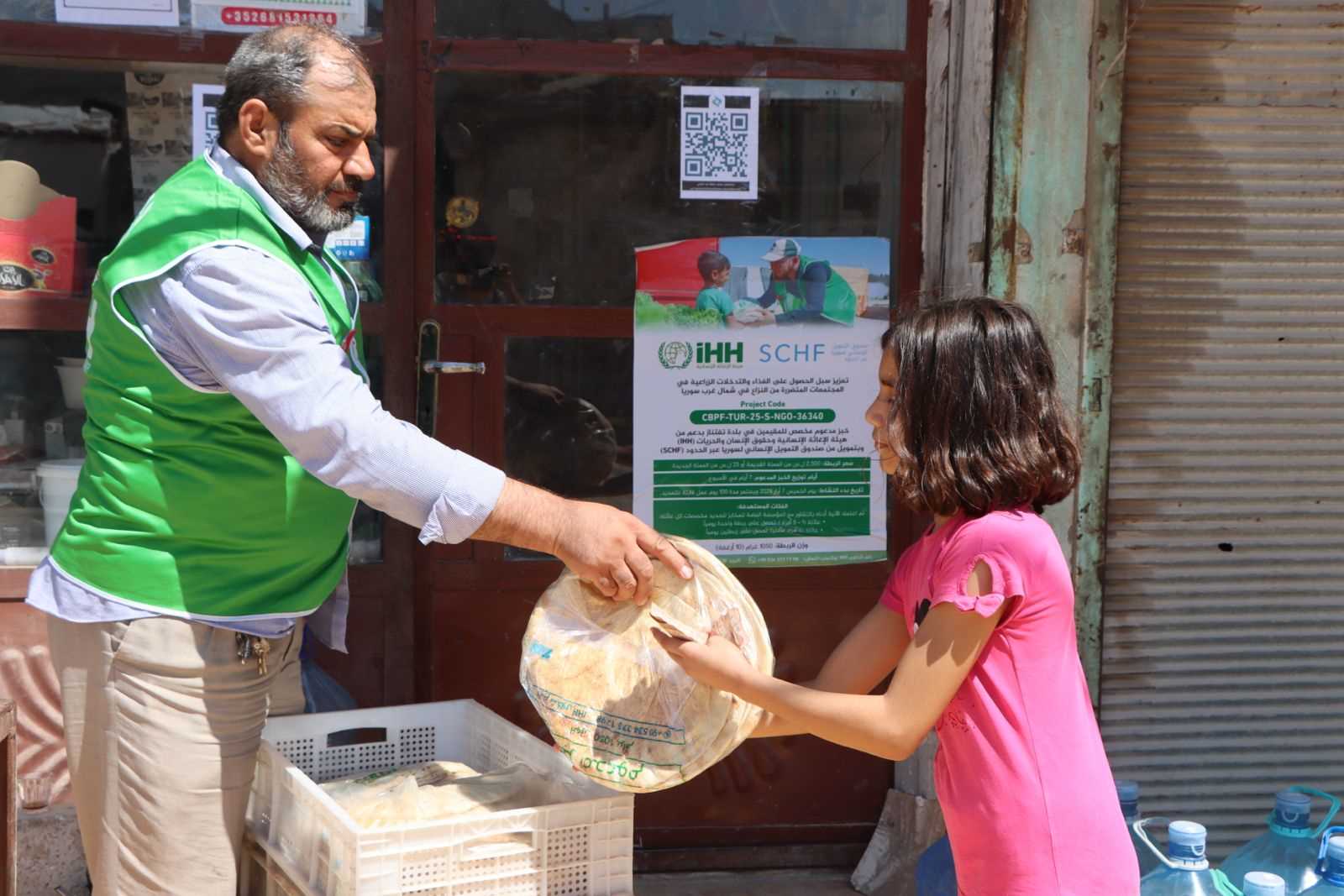
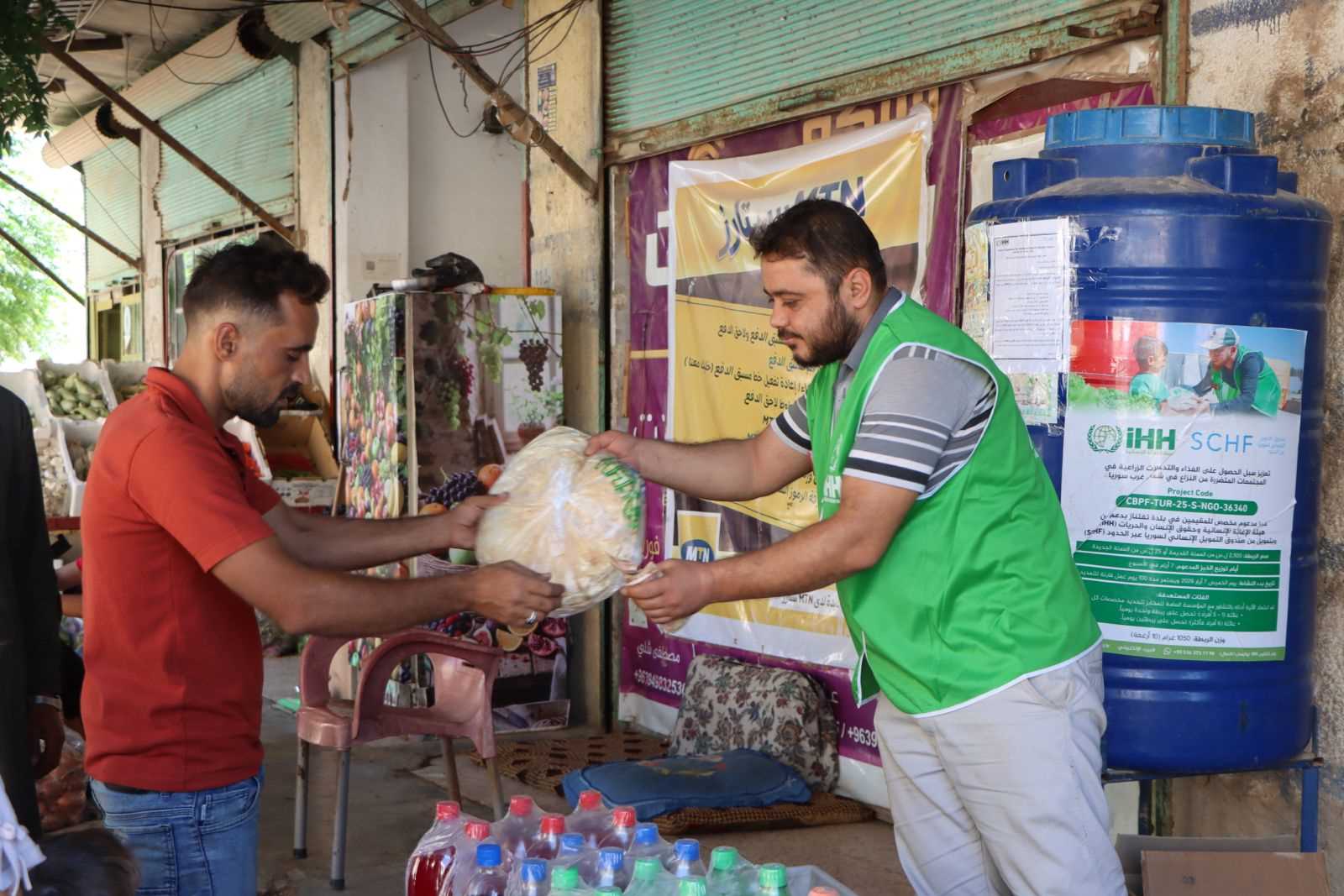
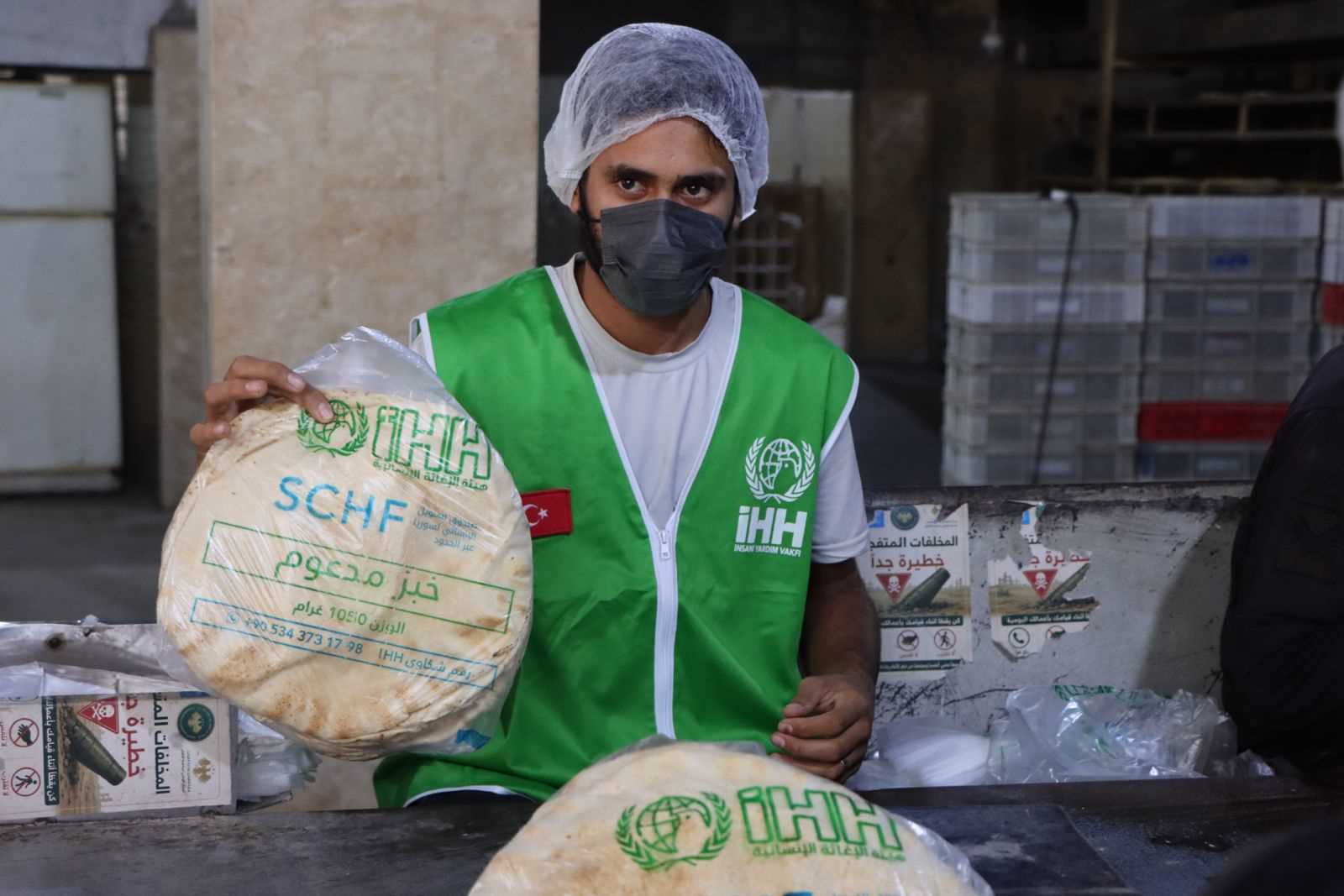
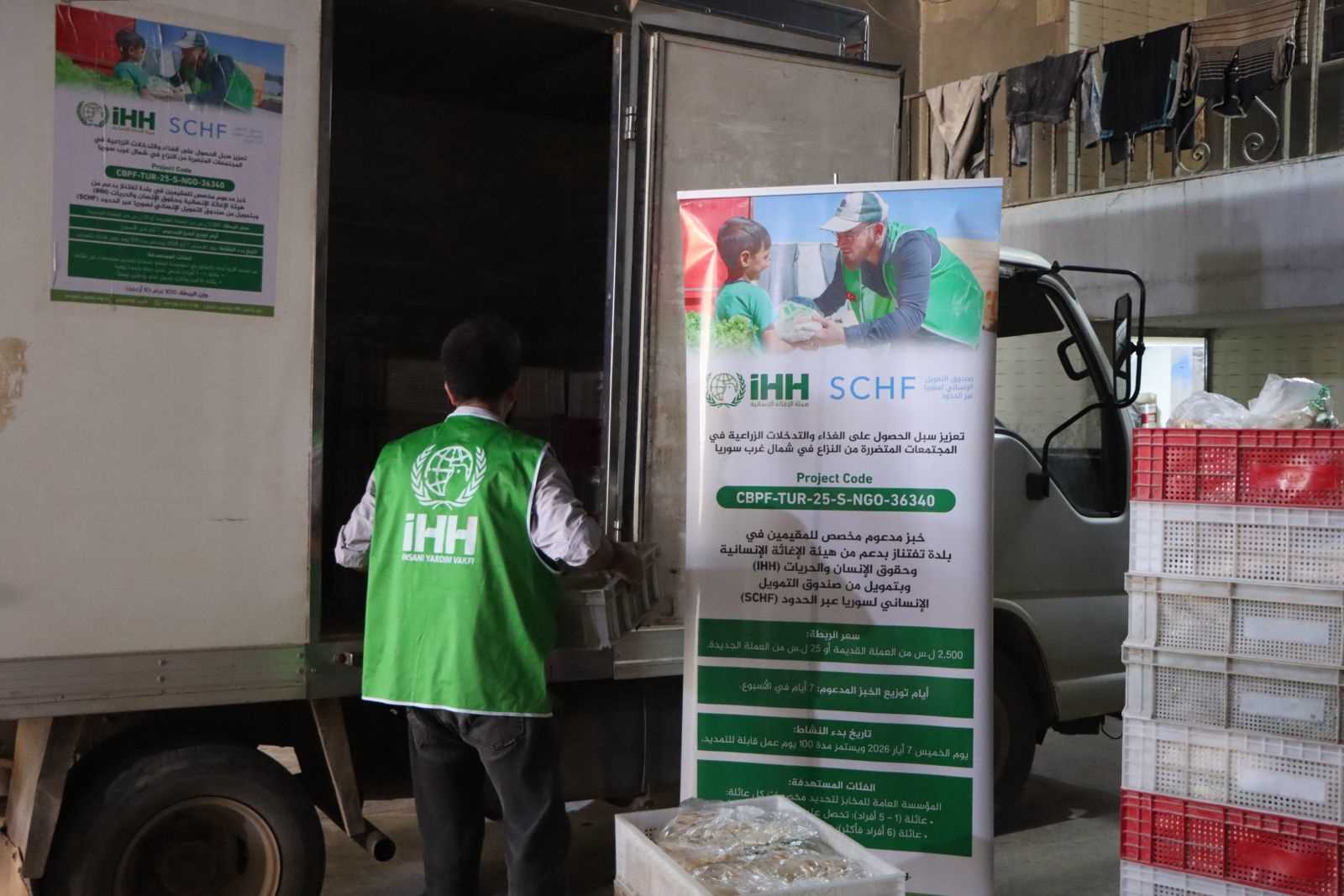
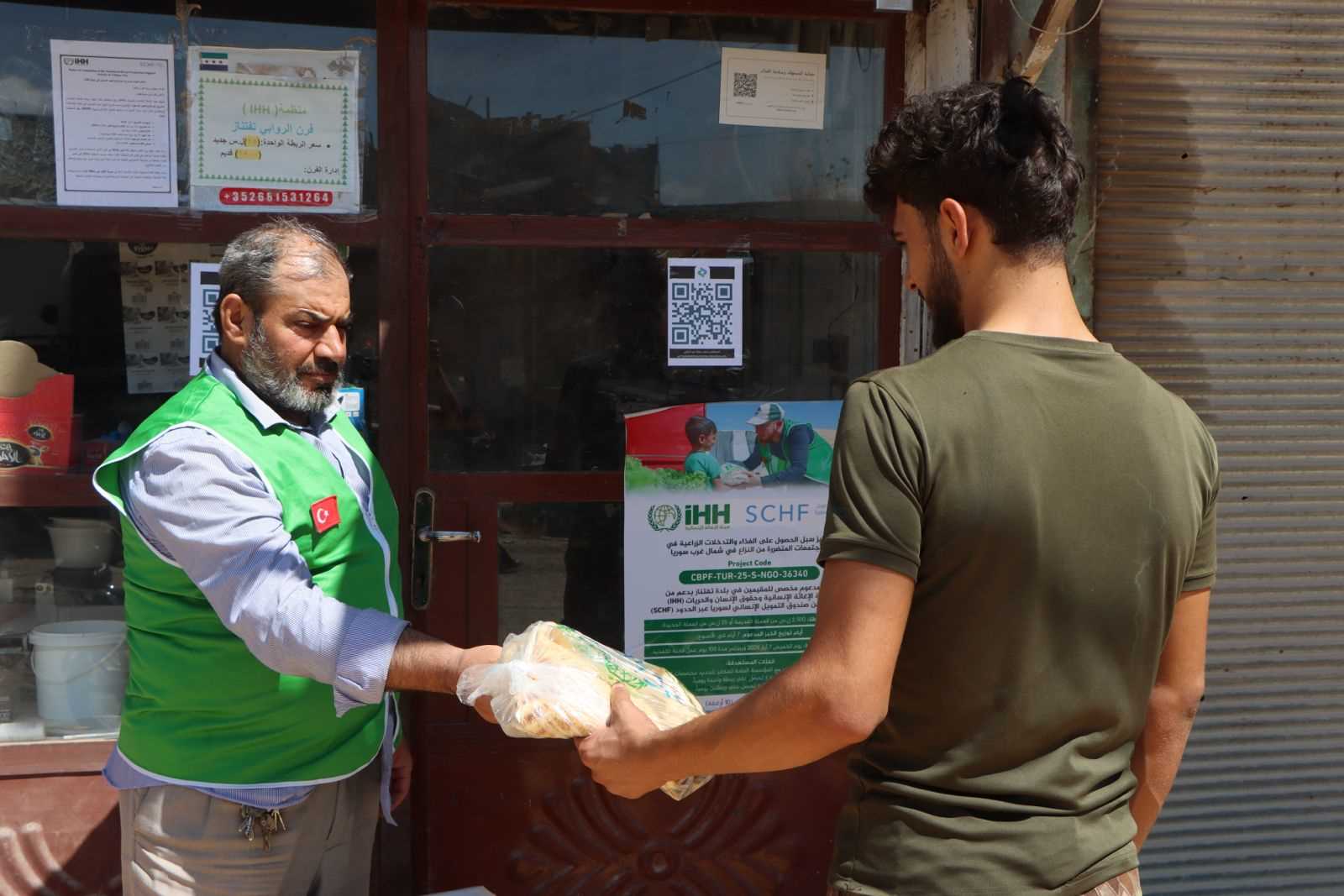
Noting that a permanent solution had also been provided for part of the region’s bread needs as part of the project, Keskin said, “In the Teftenaz area of Idlib, we completely refurbished a disused community bakery and brought it back into production with modern machinery. With 360 tonnes of flour supplied from our own stocks, the bakery operated continuously every day of the week. The 1,050-gram loaves produced were distributed to the public in packets. Following the refurbishment, we transferred the bakery to the Syrian General Directorate of Bakeries under a signed protocol, thereby returning it to public service,” he said.
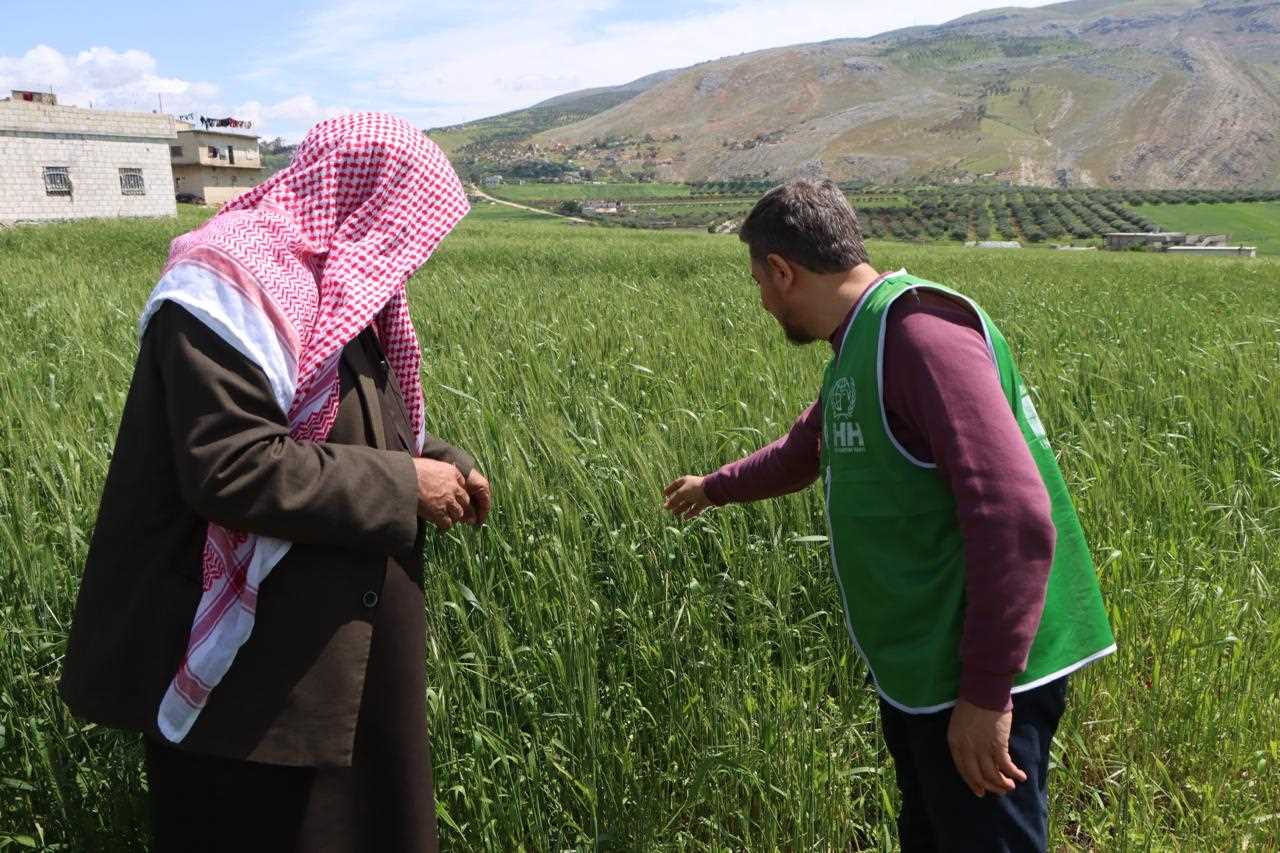
“Wheat yield per acre has more than doubled”
Emphasising that the revitalisation of agricultural production was the most critical aspect of the project, Talha Keskin continued his remarks as follows:
“We provided a comprehensive support package to our 500 wheat farmers in the Idlib countryside, covering everything from seed to harvest. In addition to a total cash grant of 500 dollars paid in three instalments, we also provided fertiliser assistance in kind. Our agricultural engineers organised eight practical training sessions in the fields; we deployed female agricultural engineers to work in the field specifically for our female farmers. Thanks to this, the wheat yield per acre in the region rose from 126.1 kilograms to 313.9 kilograms, and all our farmers were able to cultivate their land to full capacity.”
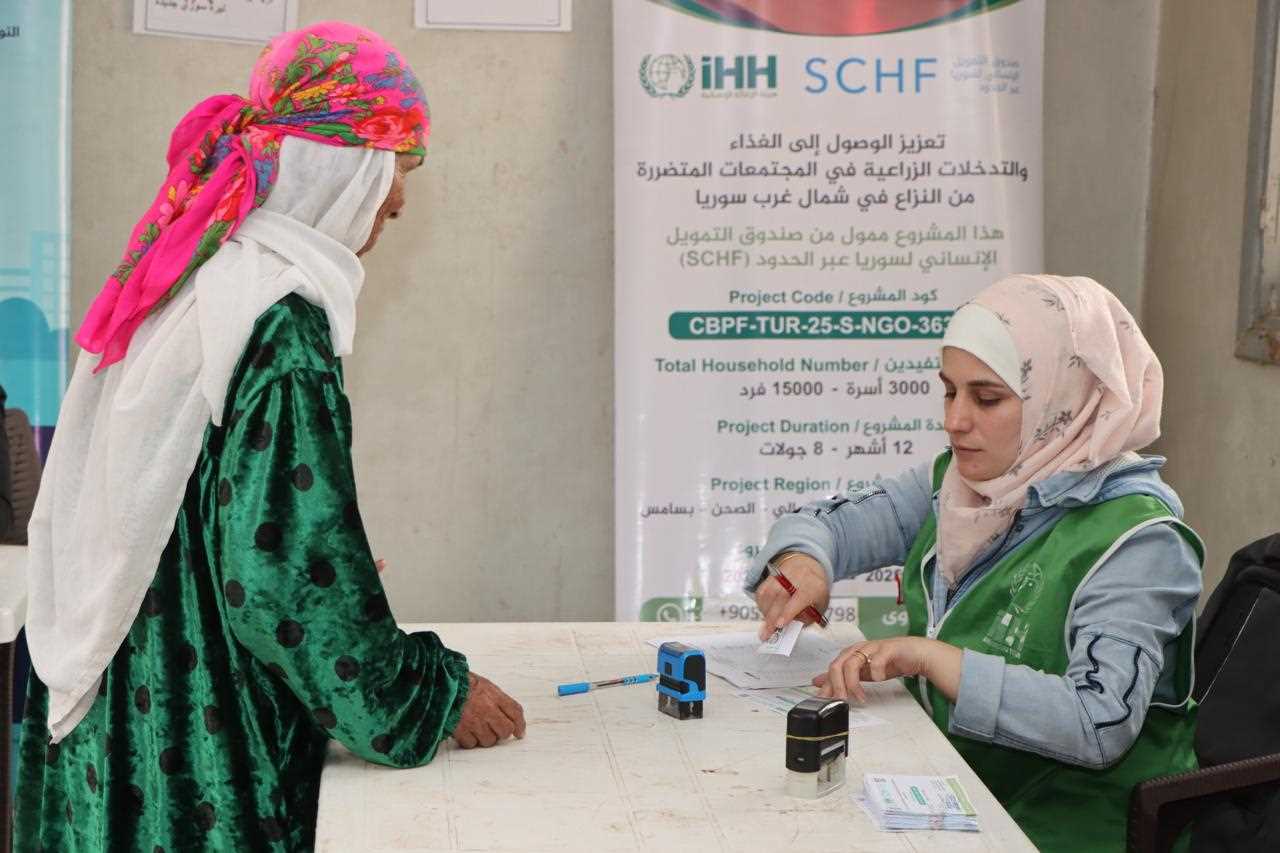
‘The food security rate in the regions where the project was implemented rose to 79.6 per cent’
Noting that the field assessment reports demonstrated the project’s success, Keskin said, “Whilst the proportion of households with adequate access to food in our project areas stood at 27.4 per cent prior to the project, this figure rose to 79.6 per cent at the end of our one-year intervention. 87.6 per cent of families are now able to meet their basic needs. Completed with funding of $907,407 from SCHF and a contribution of $189,750 from our organisation’s own resources, this initiative has enabled the local population to look to the future with greater hope. We will continue to invest in production and people in Syria,” he said.