The relatively calm period following the 2022 ceasefire in Yemen came to an end in September 2026 as fighting resumed and spread across the western and southwestern parts of the country. The Houthi forces’ advance along the western coast toward Bab el-Mandeb, the government forces’ counterattack with Saudi air support, and the severing of transportation routes around Taiz are shrinking the safe zone for civilians.
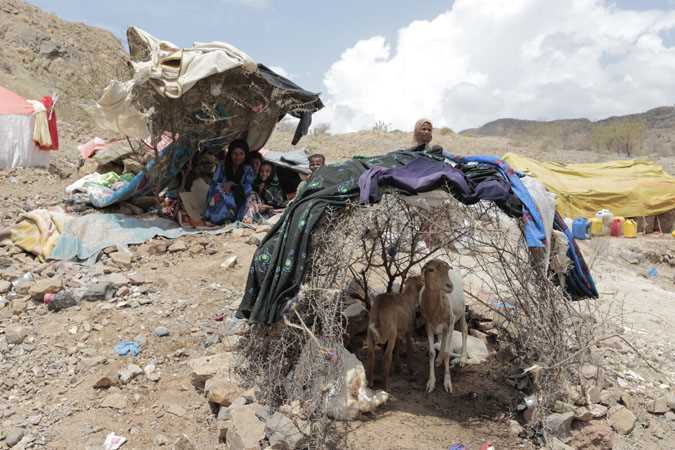
Civilians are facing immense hardships due to mass displacement, food insecurity, rising prices, the health system’s loss of capacity, and severely restricted access to humanitarian aid. The recent fighting is further exacerbating existing challenges in Yemen, which is already experiencing one of the world’s most severe humanitarian crises.
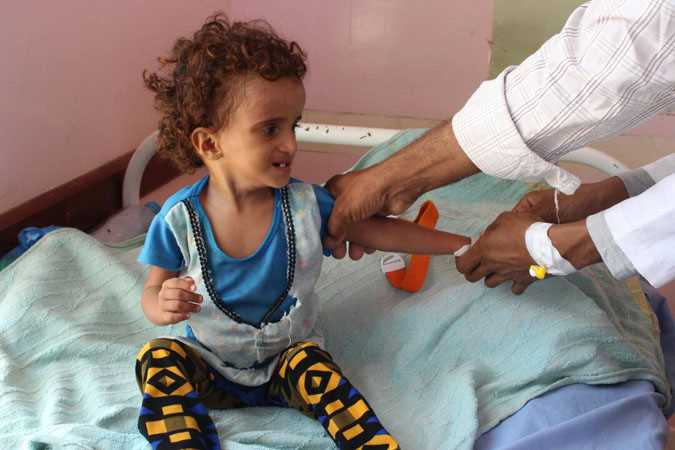
According to the United Nations Office for the Coordination of Humanitarian Affairs’ (OCHA) 2026 Yemen Humanitarian Needs and Response Plan, more than 22 million people in the country require humanitarian assistance and protection services. This group includes 5.2 million internally displaced persons, 329,000 migrants, and 63,000 refugees. Approximately 18.3 million people are experiencing acute food insecurity; more than 2.2 million children under the age of five are facing acute malnutrition.
More than 185,000 people have fled since September
The number of displaced people in the country is rising day by day. According to data published by international organizations, more than 185,000 people have left their homes and migrated to different locations since September, when the fighting intensified.
Meanwhile, published reports indicate that even before the latest wave of displacement, there were more than 5.2 million internally displaced persons in Yemen. Consequently, this new wave of displacement is significantly increasing the strain on camps and urban shelters. As food stocks are being depleted due to sudden displacement, there is a need for emergency food packages, non-food hygiene items, and household supplies. Furthermore, the lack of clean drinking water, emergency sanitation facilities, and waste management in newly established temporary settlements is increasing the risk of outbreaks of infectious diseases. Primary health care, emergency medications, and psychosocial support services are also of critical importance, particularly for children, women, the elderly, and people with disabilities.
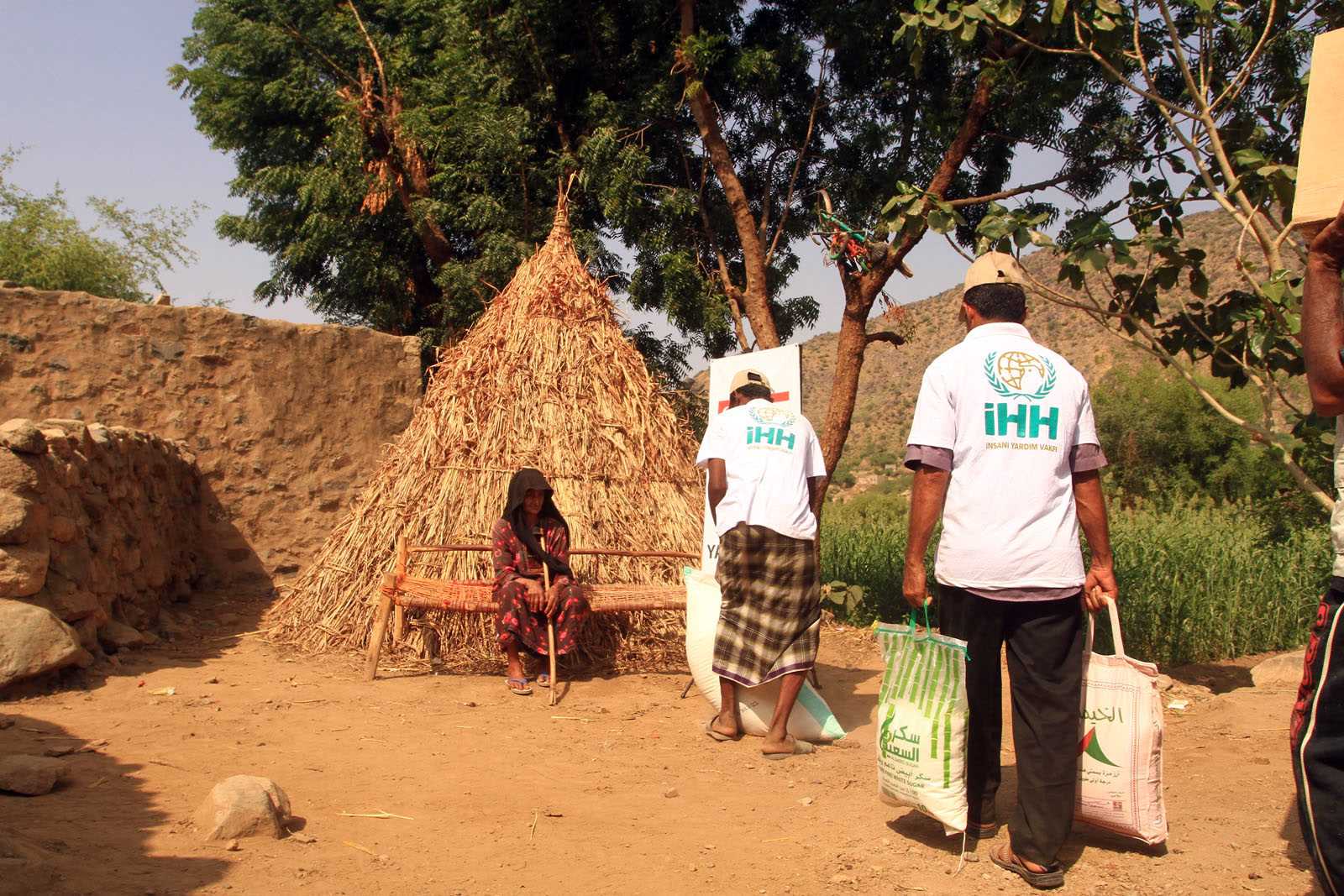
Relief efforts have come to a standstill
According to a statement by the World Food Program, as of October, approximately three-quarters of households in accessible areas are unable to meet their basic needs. Families are skipping meals and consuming less food; the shortage of flour and vegetable oil stocks is driving up prices. The cutoff of access to certain areas in Taiz and Hodeidah is also preventing aid from reaching people who previously received assistance.
Security risks are rising
Among the most significant risks to civilian protection are the spread of the conflict from the front lines to cities, transportation routes, and energy and trade infrastructure. The current situation in Taiz, along with the fact that Marib and other areas where displaced Yemenis have migrated are now vulnerable to attacks, is exacerbating security concerns. Some civilians are also resorting to dangerous sea journeys to escape the conflict zone.
IHH Launches Aid Effort
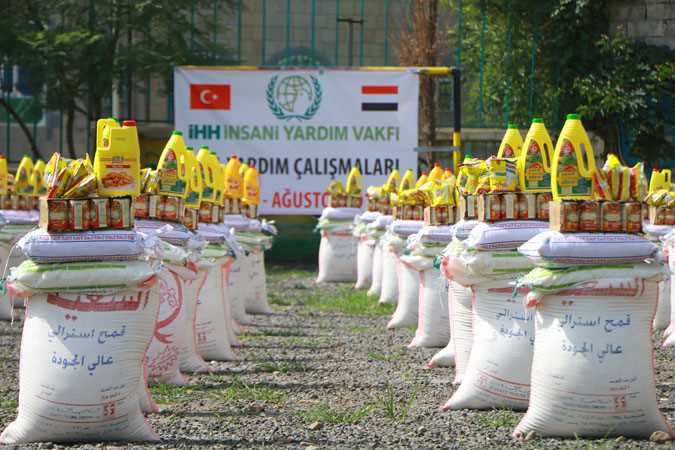
The IHH Humanitarian Relief Foundation, which has been conducting humanitarian aid efforts in Yemen for many years, has taken action to launch a new relief campaign in the wake of the recent clashes. In the first phase of the campaign, the foundation aims to provide food rations, hygiene kits, shelter, and cash assistance to 1,400 families in need in the Aden, Lahij, and Taiz regions of Yemen.
Additionally, the initiative aims to provide clean drinking water to 8,000 people. Donors wishing to support the Yemeni people through IHH can contribute 50 TL by texting “YEMEN” to 3072, or 240 TL by texting “YEMEN” to 4072. Donations can also be made via the foundation’s website and bank account numbers.